
Overview
Ajmal is a fragrance house specialising in Arabian oud perfumery, founded in 1951 and headquartered in Dubai, United Arab Emirates [3]. It began with an agarwood trader in Assam, in north-eastern India, and grew over seven decades into a vertically integrated perfume company operating across the Gulf and beyond. The business remains family-owned and is run by its second and third generations.
The company is still active. It reports more than 300 fragrances and a retail network spanning over 300 outlets in 50-plus countries as of 2025 [5], with daily manufacturing measured in tens of thousands of units.
Origin & founders
Ajmal traces its origins to Haji Ajmal Ali, born in 1923 in the village of Alinagar, near Hojai in the Nagaon district of Assam. He entered the agarwood trade in the late 1940s, collecting agar wood from the jungles of Assam, the resinous heartwood prized in Arabian perfumery as oud. By 1951 he had established Ajmal Perfumes with a starting capital of Rs500, roughly the equivalent of 25 dirhams [3].
Sources differ on exactly where the company took shape. Family Business Histories places its roots in Assam, with the founder relocating to Mumbai in the early 1960s to blend perfume oils and build direct relationships with producers [3]. Entrepreneur Middle East instead describes the company as founded in 1951 in Mumbai [5]. The accounts agree that the oud trade began in Assam in 1951 and that the founder later moved to Mumbai, where much of the early blending and retail work was based; a former chief executive recalled simply that "oud was in our backyard in India," which is how the business started [4].
History & milestones
The family's move into the Gulf followed the founder's encounters with Gulf traders. According to the company's account, the first Dubai outlet was opened in 1976 by his son Fakhruddin, in a shop in Souq Al Kabir in the Murshid Bazaar [3]. Ajmal opened its first factory in 1987 in the Al Quoz district of Dubai, and continued to expand across the region; its 100th store opened in 2006 in Umm Al Quwain. The company marked 70 years of operations in 2021 [4].
Ownership
Ajmal is a privately held, family-owned company. Leadership has passed through the founding family across generations: the second generation has included Mohammed Amiruddin Ajmal as chief executive and Fakhruddin Ajmal as group director, while the third generation includes Abdulla Ajmal, who served as chief operating officer between 2017 and 2022 before becoming chief executive, alongside relatives leading the design and perfumery divisions [5]. No parent company or acquisition history is recorded in the available sources.
Philosophy & positioning
The company presents fragrance-making as a blend of art, craft and science, and frames its purpose around memory. "At Ajmal Perfumes, we're in the business of creating memories that are everlasting through our fragrances," the brand states, summarising its positioning under the tagline "Crafting Memories." Its stated values include excellence, innovation, partnership, integrity and open communication, and it describes its mission as enriching customers' lifestyles through creativity and ethical practice.
Ajmal positions itself toward the prestige end of the market and distributes through several channels: its own exclusive retail outlets across the Gulf Cooperation Council countries and elsewhere, a selection of duty-free locations and international airlines, and around 40 e-commerce sites. In India the company reports some 3,000 points of sale.
Products & innovation
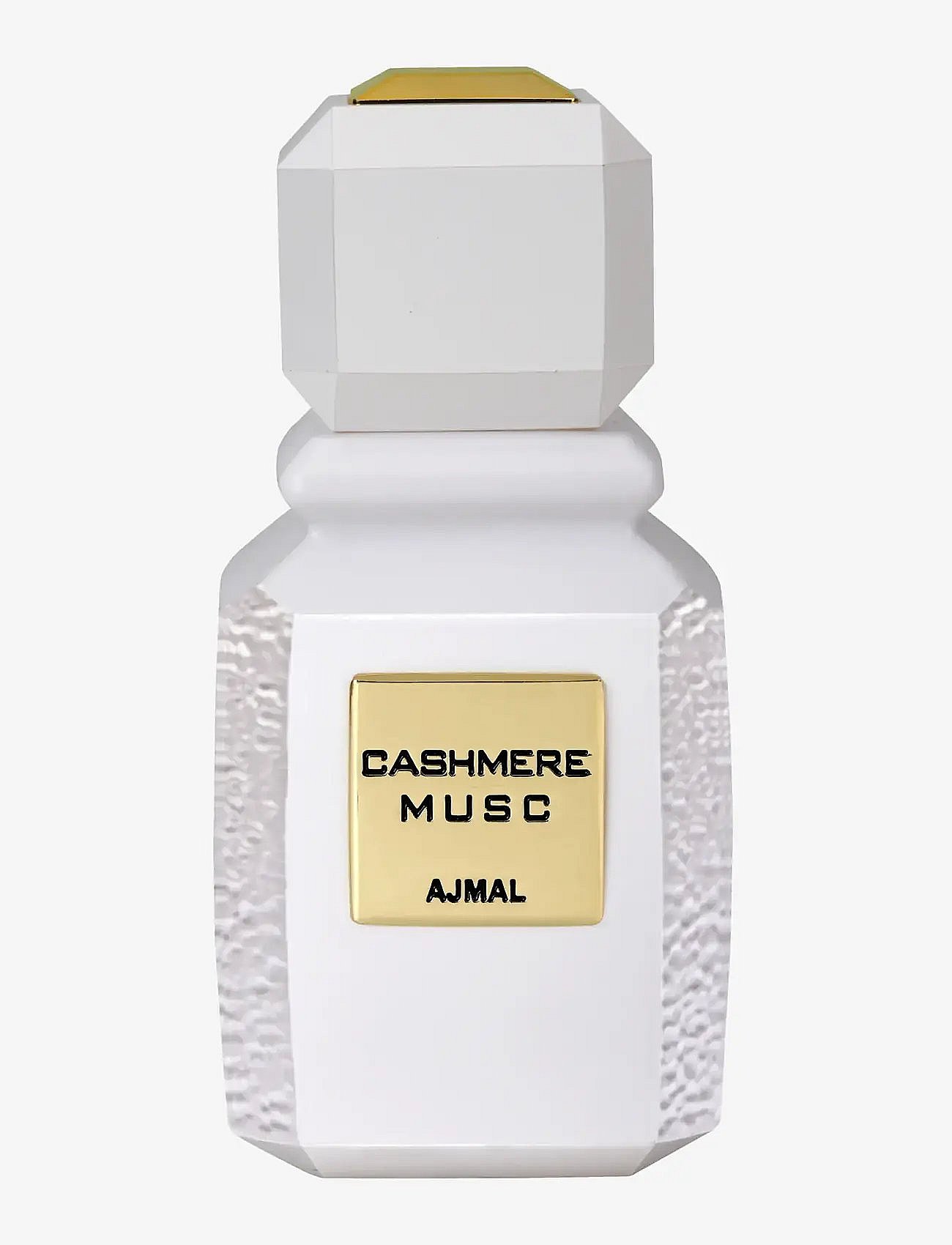
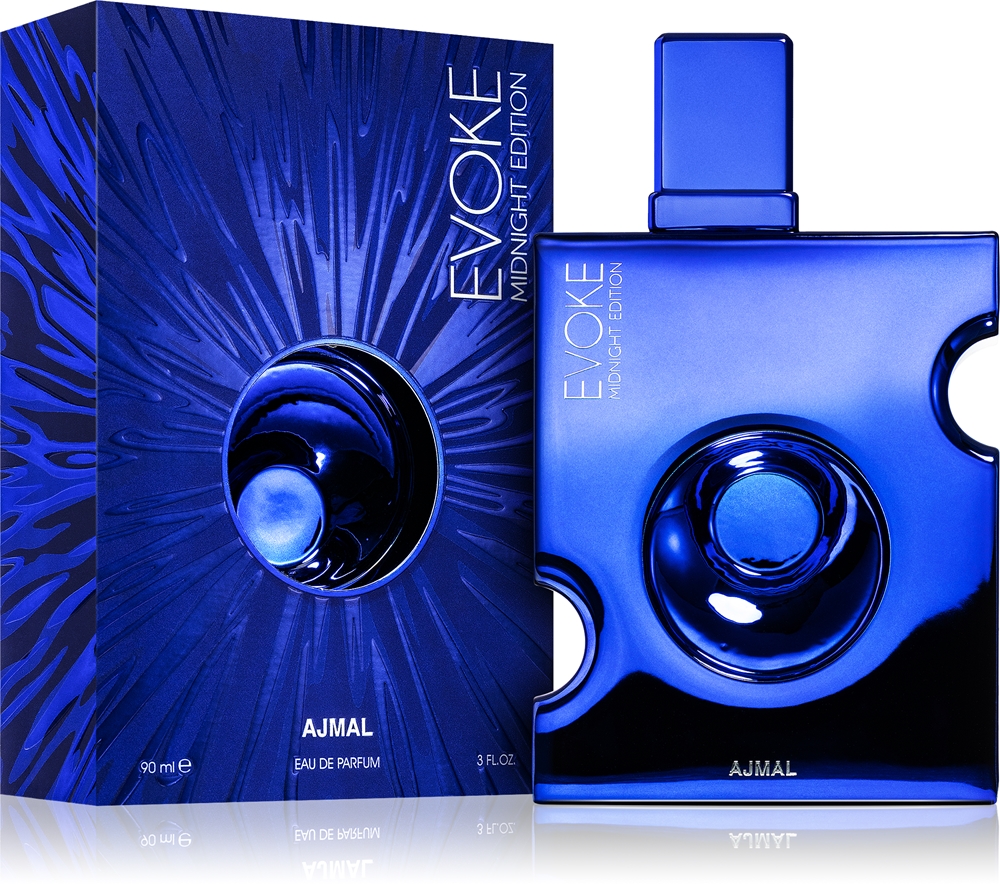
Oud and agarwood sit at the centre of Ajmal's range, alongside notes such as musk and rose and the concentrated perfume oils known as dahn al oudh. Beyond fine fragrance for men, women, unisex and children, the catalogue extends into perfume oils, agarwood preparations, gift sets and a wider collection that includes room fresheners, deodorants, hair mist, powders and body lotion. Among its featured bestsellers the company lists Wisal Dhahab, Aristocrat, Blu and Kuro. In 2025 it introduced a collection called "Untold Stories," comprising five scents created by perfumers it describes as globally renowned [5].
A defining feature is the company's vertically integrated, "farm-to-fragrance" model. Ajmal says it owns and manages more than 10 million agarwood trees in Assam, controlling the supply chain from raw material to finished perfume [5]. It also distils raw materials and supplies them to the wider industry, describing itself as a fully integrated, end-to-end fragrance house [4]. Manufacturing capacity is reported at 65,000 to 85,000 units a day.
Recognition
Ajmal has been the subject of regional and business press coverage. Gulf News profiled the company in 2021 as part of its UAE success-story series, recounting how an Indian farmer built a multimillion-dollar perfume business starting with Rs500 [4]. In 2025, Entrepreneur Middle East published a leadership profile of chief executive Abdulla Ajmal, examining the brand's heritage and its expansion strategy toward Western markets, including Saudi Arabia, the United States and India [5].
Current status
The company is active. Its most recent documented activity includes the April 2025 Entrepreneur Middle East profile, which reported current expansion priorities and the recent "Untold Stories" launch [5]. Ajmal continues to operate as a family-run, globally distributed fragrance house.
Facts & evidence
Documented facts from Glowpedia's fact base — every row carries a source.
Timeline#
Haji Ajmal Ali establishes Ajmal Perfumes with a starting capital of Rs500.↗ familybusinesshistories.org
Dubai outlet established by son Fakhruddin in Souq Al Kabir, Murshid Bazaar.↗ familybusinesshistories.org
First factory opened in Al Quoz, Dubai.↗ familybusinesshistories.org
100th store opened in Umm Al Quwain.↗ gulfnews.com
Signature products#
Signature Products: Wisal Dhahab, Aristocrat, Blu, Kuro (featured bestsellers)↗ in.ajmal.com
Signature Products: Wisal Dhahab, Aristocrat, Blu, Kuro (featured bestsellers)↗ in.ajmal.com
Signature Products: Wisal Dhahab, Aristocrat, Blu, Kuro (featured bestsellers)↗ in.ajmal.com
Signature Products: Wisal Dhahab, Aristocrat, Blu, Kuro (featured bestsellers)↗ in.ajmal.com
Recently launched Untold Stories collection with five distinct scents created by globally renowned perfumers↗ mena.entrepreneur.com
Key ingredients#
Mentioned in#
Gulf News — UAE Success Stories feature on how an Indian farmer built a multimillion-dollar perfume company starting with Dh25.↗ gulfnews.com
Entrepreneur Middle East — Leadership profile of CEO Abdulla Ajmal and the brand's heritage and global expansion strategy.↗ mena.entrepreneur.com
Where to buy
Where the brand is sold according to Glowjakt's price data, per market.
Prices come from Glowjakt and are updated daily. Glowpedia receives no payment for clicks.
Ingredients across the range
Key ingredients across Ajmal's range, from the ingredient lists of 64 of 121 products in Sweden.
Share of products with a known ingredient list. “None identified” means nothing matched our ingredient groups, not that the product is free of them.
Sources
T1 primary · T2 secondary · T3 note- [3]T3familybusinesshistories.org/spotlights/ajmal-perfumes/familybusinesshistories.org
- [4]T3gulfnews.com/uae-success-stories/ajmal-perfumes-indian-farmer-started-with-dh25-now-owns-multimillion-dollar-perfume-company-in-the-uae-1.77197086gulfnews.com
- [5]T3mena.entrepreneur.com/leadership/enduring-roots-how-ajmal-perfumes-ceo-abdulla-ajmal-is/489476mena.entrepreneur.com