Overview
Avon is an Anglo-American beauty company founded in 1886 by David H. McConnell, built around a direct-sales model in which products were sold not in shops but by a network of representatives, mostly women, working in their own communities. It began life as the California Perfume Company and sells cosmetics, skincare, fragrance and other personal-care products. Since January 2020 the brand has been owned by the Brazilian multinational Natura &Co, which acquired it for over two billion dollars [1][2].
The company is no longer an independent business but continues to operate worldwide as a Natura &Co subsidiary, with representatives in more than 100 countries. Its corporate headquarters is in London.
Origin and founders
Avon traces its beginnings to a door-to-door book salesman. According to the company, McConnell offered small perfume samples as a free gift to encourage book sales, then realised that his customers were far more interested in the fragrance than the reading material. From a small New York City office he mixed the first scents himself and recruited women to sell them. Avon describes the arrangement as a radical idea for 1886, rooted in McConnell's belief in community and his interest in giving women a way to earn an independent income [1].
The business was first registered as the California Perfume Company. Accounts of the name's origin differ in detail: Wikipedia attributes it to a partner then living in California and the abundance of flowers there, while a business-encyclopedia account ties the eventual "Avon" name to the countryside around McConnell's laboratory in Suffern, New York, which he thought resembled William Shakespeare's home at Stratford-on-Avon [4].
The founding date is consistently given as 1886 across the brand's own account and most third-party sources. One stray reference in Wikipedia dates the California Perfume Company to 1892; this appears to describe the formal registration of the company name rather than the start of operations, and 1886 is used here as the date of founding [1][2].
A central figure in the early company was Persis Foster Eames Albee, widely described as the first "Avon Lady." Hired in her fifties, she travelled by buggy and train across the northeastern United States and is credited with shaping the system used to distribute products and recruit other saleswomen.
History and milestones
The company established a laboratory in Suffern, New York, in 1896 and opened its first overseas office in Montreal, Canada, in 1914. Sources differ on when the Avon name first reached products: Wikipedia and one editorial history place the launch of Avon-branded goods in the late 1920s, while the formal corporate renaming to Avon Products, Inc. is dated to 1939 [2][4]. The company went public in 1946.
Its best-known marketing belongs to mid-century America. The "Ding-Dong, Avon Calling" campaign ran from 1954 to 1967 and is described by one beauty-history account as among the longest-running and most successful advertising campaigns in the period [3].
International growth eventually reshaped the company. In 2010 Brazil overtook the United States to become Avon's largest market [2]. In 2015 the company was removed from the S&P 500 index after 50 years.
Ownership
Avon was acquired by Natura &Co in a deal announced in 2019 and completed in January 2020. Natura &Co held 73 percent of the combined business, with former Avon shareholders owning the remainder; Wikipedia notes the merger created what it called the world's fourth-largest pure-play beauty company [2].
Philosophy and positioning
From the start, the company linked its commercial model to women's economic independence. Avon says McConnell believed in the power of community and was committed to giving women the chance to earn their own income, a message it still places at the centre of its history [1]. The direct-sales structure suited an era when many customers had no easy way to reach shops, and it offered women flexible, self-directed work at a time when their participation in paid employment was limited.
Products and innovation
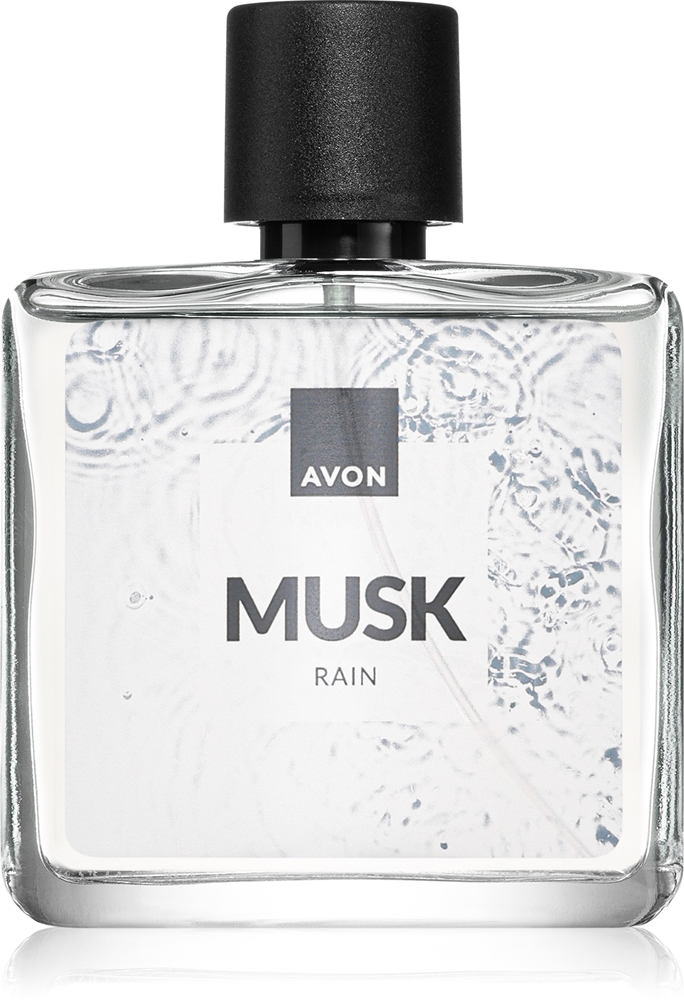
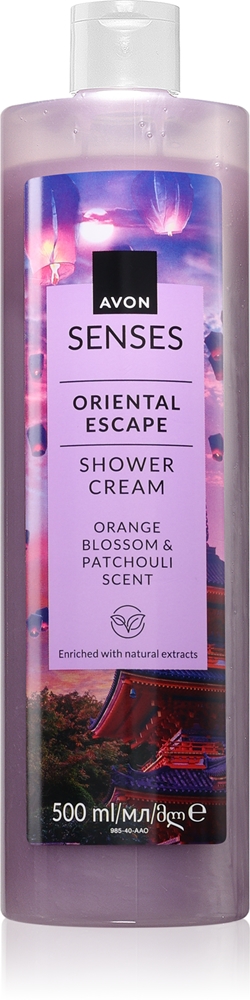
Avon's range covers cosmetics, skincare, fragrance and other personal-care goods, with jewellery and accessories also sold through its channels. Products reach customers chiefly through representatives and printed brochures rather than retail stores. In 2019 the company ended all regulatory-required animal testing, which it stated made it the first global beauty company selling in China to halt animal testing entirely [2].
Controversies
In 2014 Avon settled U.S. foreign-bribery charges for a total of 135 million dollars, resolving investigations begun in 2008 into its operations in China [2].
In 2024 Avon Products Inc., the North American operating entity, filed for Chapter 11 bankruptcy protection in connection with lawsuits over talc-based products. The global Avon brand under Natura &Co continued to operate [2].
Current status
Avon is classified here as acquired rather than independent: it has operated as a subsidiary of Natura &Co since 2020 while remaining commercially active around the world. The most recent notable corporate event is the 2024 Chapter 11 filing of its North American entity, which did not halt the wider international business.
Facts & evidence
Documented facts from Glowpedia's fact base — every row carries a source.
Timeline#
Company founded as the California Perfume Company by David H. McConnell in New York City↗ encyclopedia.com
Laboratory established in Suffern, New York↗ encyclopedia.com
First overseas office opened in Montreal, Canada↗ en.wikipedia.org
Company renamed Avon Products, Inc. (name inspired by Shakespeare's Stratford-on-Avon)↗ encyclopedia.com
Company went public↗ encyclopedia.com
Brazil became Avon's largest market, overtaking the United States↗ en.wikipedia.org
Removed from the S&P 500 after 50 years of inclusion↗ en.wikipedia.org
Acquired by Brazilian multinational Natura &Co (announced 2019, completed January 2020)↗ en.wikipedia.org
Avon Products Inc. (North American entity) filed for Chapter 11 bankruptcy related to talc-based product lawsuits↗ en.wikipedia.org
Mentioned in#
Beautylish — Editorial beauty-history feature on the Avon Lady, the door-to-door direct-sales model, and the 'Ding-Dong, Avon Calling' campaign.↗ beautylish.com
Certification pass
What each certification and self-stated claim rests on: the source, whose website it's on, and what needs review.
“In 2019, Avon Products ended all regulatory-required animal testing, making it the first global beauty company selling in China to stop all animal testing.”↗ en.wikipedia.org
None of these statements has been checked against the certifying bodies' registers. The statements were observed on 19 Jun 2026.
Where to buy
Where the brand is sold according to Glowjakt's price data, per market.
Prices come from Glowjakt and are updated daily. Glowpedia receives no payment for clicks.
Ingredients across the range
Key ingredients across Avon's range, from the ingredient lists of 580 of 628 products in Sweden.
Share of products with a known ingredient list. “None identified” means nothing matched our ingredient groups, not that the product is free of them.
Sources
T1 primary · T2 secondary · T3 note- [1]T1avonworldwide.com/about-us/our-storyavonworldwide.com (brand site)
- [2]T3en.wikipedia.org/wiki/Avon_ProductsWikipedia
- [3]T3beautylish.com/a/vxquv/the-history-of-avonbeautylish.com
- [4]T3encyclopedia.com/social-sciences-and-law/economics-business-and-labor/businesses-and-occupations/avon-products-incencyclopedia.com