Overview
Badeanstalten is a Danish maker of handmade soap and natural bath and body products, based in Nørresundby in northern Jutland. The company was founded in 2002 by Iben Park Holm, who began making soap in a small kitchen in Aalborg [6]. Its name is the Danish word for the public bathhouses that were once common in Denmark, a reference the founder chose to signal everyday usefulness over luxury [5].
The brand remains independently run and active, selling through its own webshop and through Danish retailers, with products also appearing in Norwegian and Swedish retail. Its products are manufactured on-site in Nørresundby, with labelling handled by social-economic partners in nearby Brønderslev.
Origin & founders
The founding story is rooted in a personal detour. According to a profile by Scandinavia Standard, Iben Park Holm was unemployed when she recalled the appeal of handmade soaps she had seen at a London market and became, in her words, obsessed with researching the craft and perfecting a recipe [5]. She started with a small assortment of handmade soaps made in her own kitchen, focused on craftsmanship and ingredient quality.
Sources differ slightly on the exact founding date. The brand's own profile, the Danish business case study Erhvervsfolk.dk and the official company registry all record 2002 as the formal establishment [2][6], while Scandinavia Standard gives 2000 [5] — most plausibly the point at which the founder began experimenting, rather than the year the company was formed. The founder's name is also recorded two ways: the brand site and editorial coverage use Iben Park Holm, while Denmark's official registry lists the company as "Badeanstalten v/Iben Park Hybel" [7], apparently her legal or maiden name. Her husband, Jan Park Holm, serves as managing director [6].
History & milestones
The company grew slowly from its kitchen beginnings. A first production facility opened in Brønderslev in 2004 [6]. In the early years its main sales channel was Formland, the Nordic design fair in Herning, which carried the brand from roughly 2000 to 2008; the first dedicated salesperson was hired in 2008 [5]. Around 2012 to 2014 the brand went through a comprehensive minimalist redesign and broadened its range beyond soaps and bath salts into oils, lotions and skincare [5].
In 2015 production moved to its current home in Nørresundby, with packaging operations remaining in Brønderslev [6]. Editorial coverage frames an earlier move "to Aalborg" around 2012 to 2014 [5]; the two accounts are largely reconcilable, as Nørresundby sits within greater Aalborg.
Philosophy & positioning
Badeanstalten frames the bathroom as a daily refuge — "the place where you can shut out the world, step into the bath and care for your physical and mental well-being." Its tagline is "Wellness with traditions," and the company positions old bathhouse rituals as an antidote to a hurried, digital life. The founder has described the products as being "for well-being and self-reflection."
The brand's stated approach is deliberately unembellished. It describes three guiding principles — simplicity, honesty and quality over speed — and resists overstated marketing. "Our soaps cleanse your skin, while our creams and oils moisturize and nourish it," the company writes. "That's it. Nothing more, nothing less." Its declared aim is to make products that are pleasant to use but "don't promise more than they can deliver."
Products & innovation
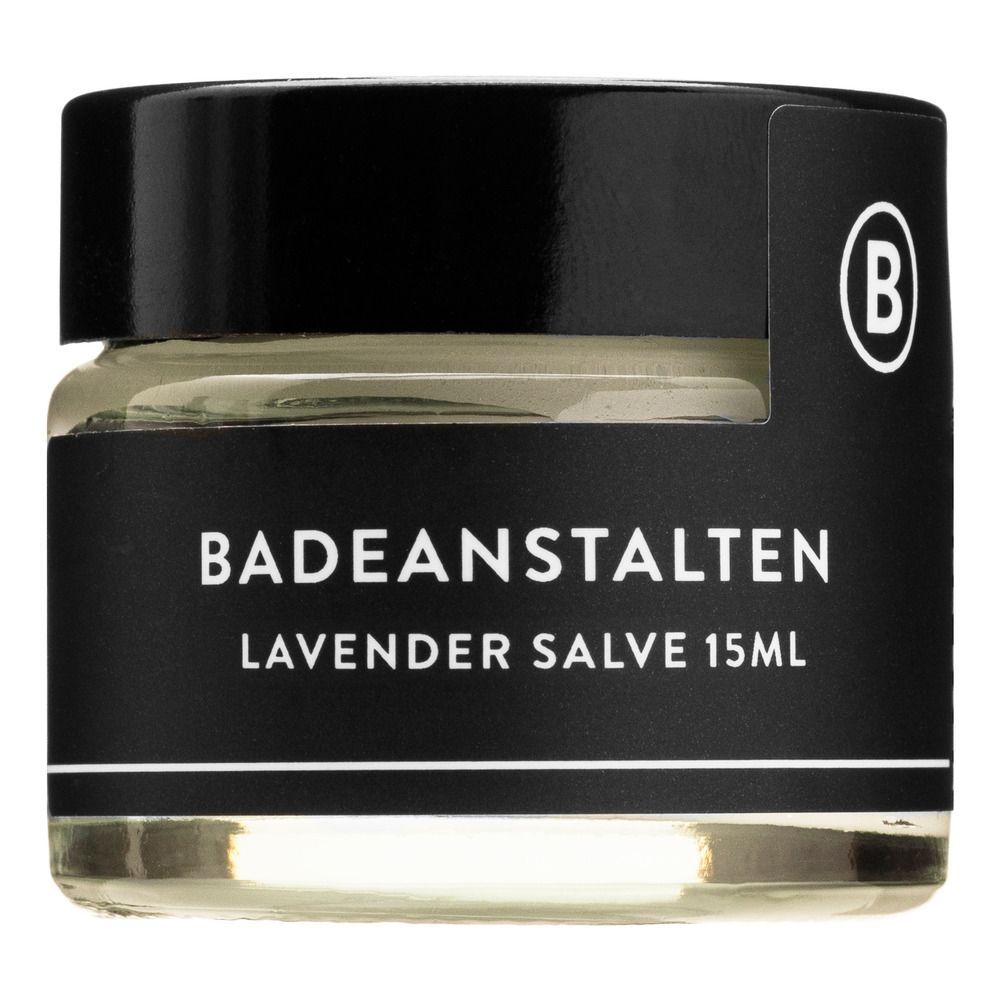
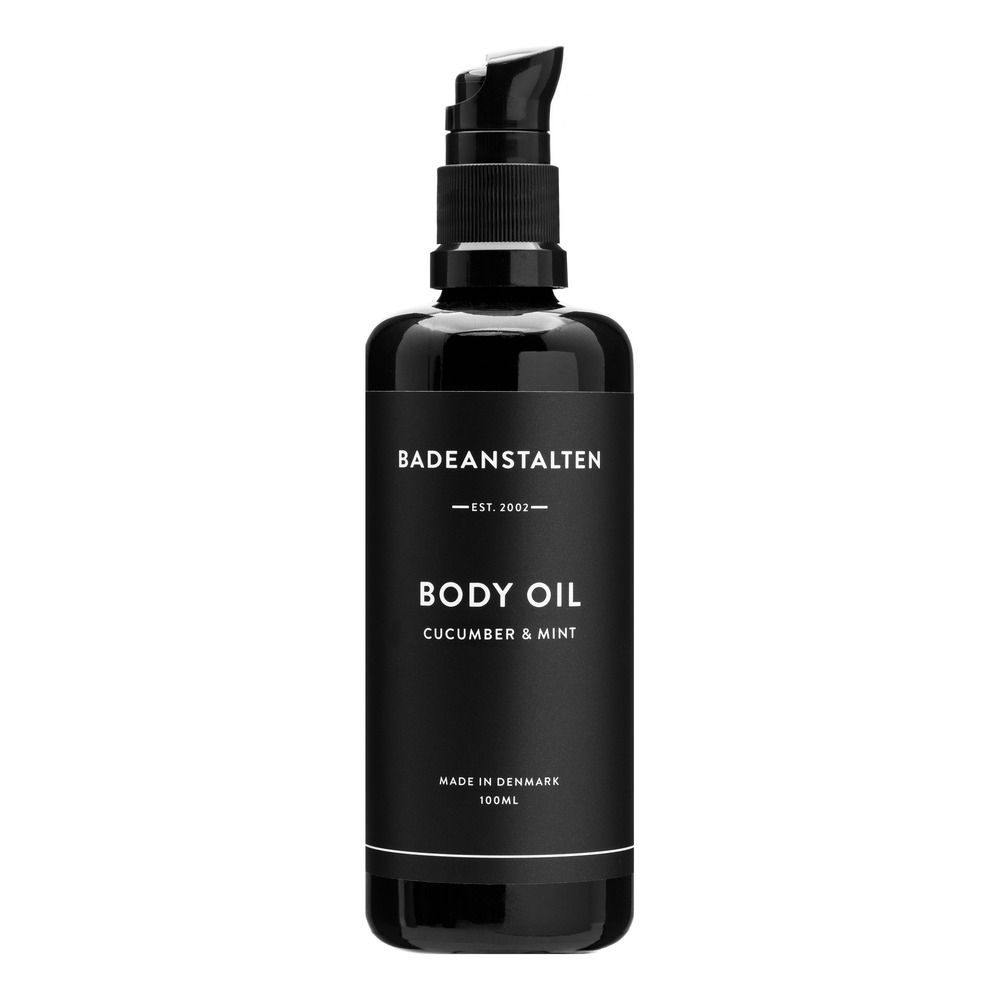
The range covers handmade soap, body scrubs, facial and body creams and oils, clay masks, liquid soap and bodywash, shampoo and hair care, and bath salts. Handmade soaps appear in fragrance variants such as Luna, Mint and Birch. The company notes that its liquid soap is made from saponified oils rather than sulfates, and it develops some water-free products that activate only when the user adds tap water at home.
Ingredients are described as simple and largely natural — softening vegetable oils, essential oils, herbal extracts, clay, sea salt and honey — with an emphasis on local sourcing. The brand cites examples such as honey from a neighbourhood beekeeper and birch sap from a tree in northern Jutland. For palm oil, the company states that it sources only RSPO-certified material.
Sustainability
Local manufacturing is central to the brand's identity. The company says it makes the majority of its products on-site, describing the practice as "made on the other side of the road" rather than overseas, and that it refuses to outsource production to lower-cost international suppliers [6]. It also reports working with regional partners in northern Jutland, including the hotel Svinkløv Badehotel.
On formulation and packaging, the company says it leaves out parabens — using sodium benzoate and potassium sorbate as preservatives instead — and opposes animal testing, noting that such testing is in any case illegal in Denmark and the wider EU. Most products are free of animal-derived ingredients, with stated exceptions including a "Bodyscrub - Nectar" and "Face Scrub - Marigold" that contain beeswax, and a lip balm made with honey. The brand offers refill bags, avoids double packaging, and uses recyclable PET and PP plastics along with UV-filtering violet glass for its oils.
Current status
Badeanstalten is active and independently operated. It runs a live webshop with a current catalogue, manufactures in Nørresundby, and distributes both directly and through business-to-business sales to retailers and chains; its products are present in Danish, Norwegian and Swedish retail. No change of ownership or signs of dormancy are recorded in the available sources.
Facts & evidence
Documented facts from Glowpedia's fact base — every row carries a source.
Timeline#
Company founded in Aalborg, Denmark by Iben Park Holm↗ erhvervsfolk.dk
First production facility opened in Brønderslev↗ erhvervsfolk.dk
First salesperson hired; the Formland Nordic design fair in Herning was the primary sales channel 2000-2008↗ scandinaviastandard.com
Comprehensive minimalist brand redesign (c. 2012-2014); product range expanded beyond soaps and bath salts to oils, lotions and skincare↗ scandinaviastandard.com
Relocated to Nørresundby; packaging operations continued in Brønderslev↗ erhvervsfolk.dk
Signature products#
handmade soap variants in fragrances like Luna, Mint, and Birch↗ badeanstalten.com
Sulfate-free liquid soap made from saponified oils (not sulfates)↗ badeanstalten.com
Product expansion beyond soaps & bath salts to oils, lotions, skincare↗ scandinaviastandard.com
Key ingredients#
Mentioned in#
Scandinavia Standard — Profile feature 'Natural Pragmatism in Skincare: Badeanstalten' covering the founder's story, the name's meaning and the natural-ingredient philosophy↗ scandinaviastandard.com
Erhvervsfolk.dk — Danish business case study on the company's founding, location history and local-production philosophy↗ erhvervsfolk.dk
Certification pass
What each certification and self-stated claim rests on: the source, whose website it's on, and what needs review.
“Sources only RSPO-certified sustainable palm oil”↗ badeanstalten.com
“We are very much against using animal testing for cosmetics. Fortunately, these practices are illegal, both in Denmark and the rest of the EU.”↗ badeanstalten.com
“Badeanstalten produces the majority of products on-site in Nørresundby, Denmark. They describe this approach as "made on the other side of the road" rather than overseas.”↗ badeanstalten.com
“Regarding parabens: "we have chosen NOT to include them in our products," using sodium benzoate and potassium sorbate instead.”↗ badeanstalten.com
“Uses recyclable plastics (PET, PP) and violet glass with UV-filter for oils”↗ badeanstalten.com
“Offers refill bags and avoids double packaging”↗ badeanstalten.com
“Sulfate-free liquid soap made from saponified oils (not sulfates)”↗ badeanstalten.com
“Most products are animal-ingredient-free. However, exceptions include: "Bodyscrub - Nectar" and "Face Scrub - Marigold" (contain beeswax) and their lip balm (contains honey).”↗ badeanstalten.com
None of these statements has been checked against the certifying bodies' registers. The statements were observed on 21 Jun 2026.
Where to buy
Where the brand is sold according to Glowjakt's price data, per market.
Prices come from Glowjakt and are updated daily. Glowpedia receives no payment for clicks.
Ingredients across the range
Key ingredients across Badeanstalten's range, from the ingredient lists of 46 of 71 products in Sweden.
Share of products with a known ingredient list. “None identified” means nothing matched our ingredient groups, not that the product is free of them.
Sources
T1 primary · T2 secondary · T3 note- [2]T1badeanstalten.com/shop/profile.htmlbadeanstalten.com (brand site)
- [5]T3scandinaviastandard.com/natural-pragmatism-in-skincare-badeanstalten/scandinaviastandard.com
- [6]T3erhvervsfolk.dk/cases/badeanstalten/erhvervsfolk.dk
- [7]T3dma.mst.dk/vis-virksomhed/239bbe0e-7319-40c3-870e-176e4ac4216edma.mst.dk