Overview
Benetton is an Italian fashion company based in Ponzano Veneto, founded in 1965 by four siblings of the Benetton family: Luciano, Giuliana, Gilberto and Carlo [4]. Best known internationally for colourful knitwear and a long run of provocative advertising under the "United Colors of Benetton" banner, the group remains active today, though it has been loss-making and is undergoing restructuring.
Within beauty, Benetton's footprint is a single category: fragrance. The company does not run an in-house cosmetics operation; its perfumes are produced under a global licence held by the Spanish group Puig, in effect since 1 January 2014 [3]. The first scents predate that arrangement, having appeared in 1987.
Origin and founders
The business began as a family knitting venture in the Veneto region of northern Italy. Giuliana Benetton knitted sweaters that her brother Luciano sold, and in 1965 the four siblings formalised the company and opened their first store in Belluno. A Paris store followed three years later, in 1968 [4]. From these origins the group grew into one of the better-known names in international fashion, operating a large retail network across many markets.
History and milestones
Benetton's commercial expansion through the 1980s was closely tied to its communication strategy. In 1982 the company hired photographer Oliviero Toscani as creative director, and in 1989 it introduced the slogan that became its public identity, "United Colors of Benetton". The brand's first fragrances, Colors de Benetton for men and women, were offered in 1987, created by perfumer Bernard Ellena, who also developed a later Benetton scent called Tribu [6].
A significant corporate change came in 2012, when Benetton was delisted from the stock exchange and became fully owned by the Benetton family holding company, Edizione [4]. Two years later, the Puig fragrance licence took effect, consolidating the brand's perfume business under an external producer.
Ownership
Benetton Group is controlled by Edizione, the Benetton family's holding company, which took full ownership after the 2012 stock-exchange delisting [4]. Alongside its principal apparel label, the group has included the Sisley fashion brand. Its fragrance lines are not produced internally but under the long-term Puig licence described above.
Philosophy and positioning
The company frames its identity around colour, what it calls authentic fashion, quality at accessible prices, and what the group describes as a "passion for its work" [1]. Benetton also states a commitment to environmental responsibility, human dignity and social transformation. For much of its history this positioning was expressed through advertising that addressed social subjects directly — campaigns referencing AIDS awareness, race and other themes — which became as recognisable as the products themselves.
Products and innovation
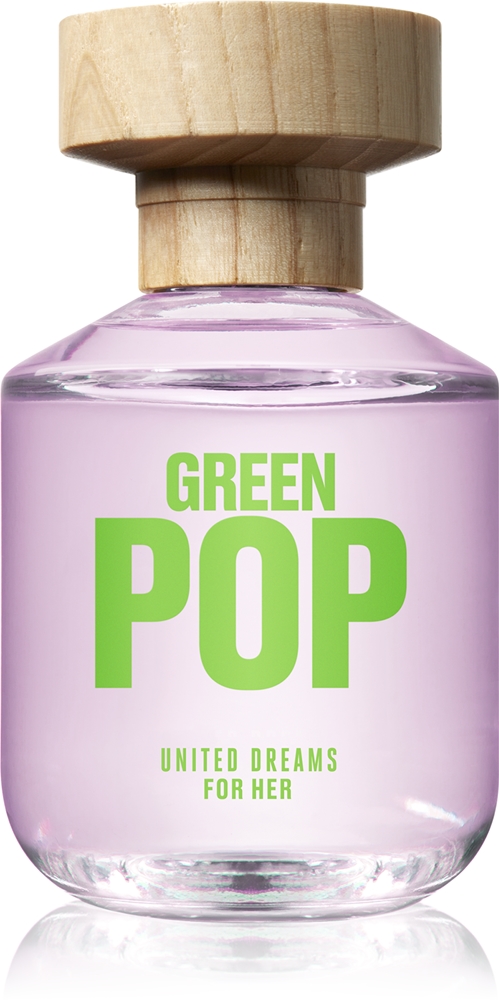
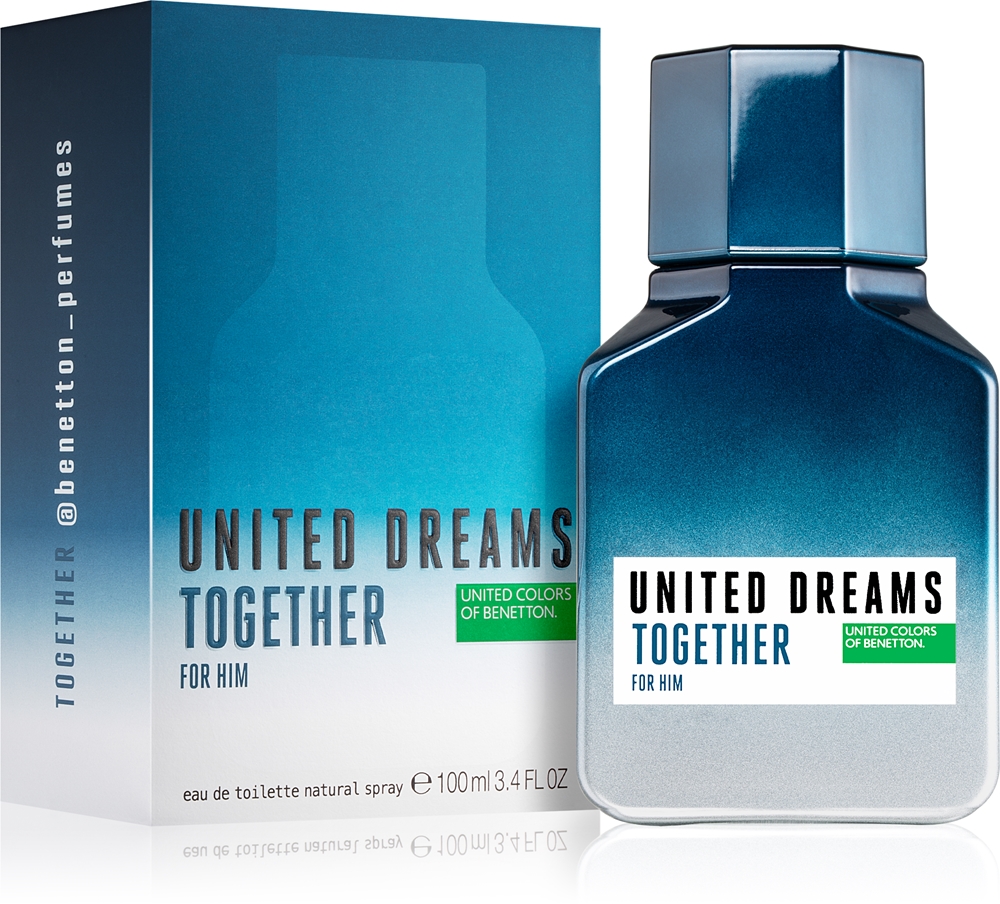
Benetton's beauty presence is built on fragrance. After the 1987 debut of Colors de Benetton, the line was historically produced by Perfume Holding and, from 2014, by Puig under an exclusive long-term agreement to create, develop and distribute United Colors of Benetton fragrances [3]. According to trade coverage of the partnership, the lines are positioned in the "masstige" segment — between mass-market and prestige — and distributed through department stores, specialist beauty retailers and selected Benetton flagship stores worldwide [5].
Recognition
The brand's advertising is its most-cited cultural marker. In 2000 its campaigns were entered in Guinness World Records under the heading "Most Controversial Campaign" [4].
Controversies
Several controversies have attached to the group over the decades. In 2013, the Rana Plaza building collapse in Bangladesh killed at least 1,130 people in a complex that housed production of Benetton clothing. The company initially denied involvement, but clothes and documents linked to Benetton were found at the site; after international protests, it doubled compensation in April 2015 [4]. Separately, the brand's provocative advertising — including imagery referencing AIDS awareness, race and death-row inmates — drew sustained criticism over many years [4]. The group has also faced long-running disputes over the ownership and management of traditional Mapuche lands in Patagonia, Argentina, following land acquisitions dating to 1991 [4].
Current status
Benetton remains active and trading on a global scale, with a retail network historically numbering in the thousands of stores [1]. The company has, however, been loss-making in recent years and is restructuring: new leadership was appointed in 2024, and in 2025 the group announced the closure of several hundred stores [4]. Its fragrance line continues to be produced and distributed worldwide under the Puig licence.
Facts & evidence
Documented facts from Glowpedia's fact base — every row carries a source.
Timeline#
Company established in Ponzano Veneto by the four Benetton siblings↗ en.wikipedia.org
Paris store opened↗ en.wikipedia.org
Oliviero Toscani hired as creative director↗ en.wikipedia.org
First fragrances launched: Colors de Benetton for men and women↗ fragrantica.com
"United Colors of Benetton" slogan introduced↗ en.wikipedia.org
Delisted from stock exchange; became fully owned by Edizione holding↗ en.wikipedia.org
Puig fragrance licence takes effect (1 Jan 2014)↗ benettongroup.com
Signature products#
The company's first fragrances, Colors de Benetton for men and women, were offered in 1987.↗ fragrantica.com
Colors was created by Bernard Ellena, who did another little one-time sleeper for Benetton called Tribu.↗ fragrantica.com
Mentioned in#
Guinness World Records — Benetton advertising included in Guinness World Records for "Most Controversial Campaign".↗ en.wikipedia.org
Where to buy
Where the brand is sold according to Glowjakt's price data, per market.
Prices come from Glowjakt and are updated daily. Glowpedia receives no payment for clicks.
Ingredients across the range
Key ingredients across Benetton's range, from the ingredient lists of 28 of 35 products in Sweden.
Share of products with a known ingredient list. “None identified” means nothing matched our ingredient groups, not that the product is free of them.
Sources
T1 primary · T2 secondary · T3 note- [1]T1benettongroup.com/en/the-group/profile/benettongroup.com (brand site)
- [3]T1benettongroup.com/en/media-press/press-releases-and-statements/benetton-group-and-puig-two-sector-leaders-to-partner-for-new-lines-of-united-colors-of-benetton-fragrances/benettongroup.com (brand site)
- [4]T3en.wikipedia.org/wiki/Benetton_GroupWikipedia
- [5]T3moodiedavittreport.com/puig-and-benetton-group-announce-new-fragrance-partnership/moodiedavittreport.com
- [6]T3fragrantica.com/designers/Benetton.htmlfragrantica.com