Overview
Glossier is an American beauty company founded in New York City in 2014 by Emily Weiss [4]. It grew out of Into the Gloss, the beauty website and community Weiss had started in 2010, and built its early reputation as a direct-to-consumer, digitally native brand whose products were shaped by reader and customer feedback rather than, in the company's words, "built in a boardroom." Its range spans skincare, makeup, body care and fragrance, sold online and through retail partners.
The brand remains active but has been contracting its physical retail footprint. In February 2026 it laid off roughly 54 employees, about one-third of its workforce, and in March 2026 it announced the closure of nine of its twelve retail stores [4].
Origin & founders
Weiss founded the Into the Gloss beauty blog in 2010 while working in fashion media [5]. The site grew into a community "devoted to sharing real information with real people, about really amazing products," and that audience became the foundation for a product line. Glossier launched in 2014 with four items: an all-purpose balm, a facial mist, a sheer skin tint and a moisturizer. The company traces its founding idea to a conviction that beauty "shouldn't be built in a boardroom—it should be built by you," and it positioned customer input at the centre of how products were developed.
History & milestones
Glossier's growth through the late 2010s was rapid. The company raised seed funding of about $2 million from Forerunner Ventures and went on to raise a further $150 million in 2018 and 2019 [4]. In 2018 it opened its first permanent retail location in New York and said it would pass $100 million in annual revenue that year [6]. In 2019 it reached so-called unicorn status at a valuation of $1.2 billion and extended into new lines, launching the GlossiWEAR apparel range and a colour-cosmetics spin-off, Glossier Play [4].
The following years brought leadership change and restructuring. Weiss stepped down as chief executive in 2022, moving to the role of executive chairwoman, and was succeeded by Kyle Leahy, a former Nike executive [4]. Wikipedia records Leahy's departure in 2025 and Colin Walsh as chief executive as of October 2025 [4]. In 2023 the brand expanded its wholesale presence, entering roughly 600 Sephora doors across the United States [7], part of a broader move from a purely online model toward retail distribution.
Philosophy & positioning
Glossier operates under the tagline "Skin First. Makeup Second," a philosophy the company frames around prioritising skincare so that makeup enhances rather than masks the face. According to the brand, it was "built to make beauty accessible and uncomplicated," and it describes its values as "celebrating freedom of expression, individuality, and having fun." Editorial coverage has placed it within the 2010s direct-to-consumer wave, describing a "minimalist, fresh-faced, effortlessly cool" aesthetic and millennial-pink packaging aimed at a younger, online audience. A 2018 Fortune profile noted that the company eschewed celebrity spokespeople and avoided paying Instagram influencers, leaning instead on its own community and user-generated content [6].
Products & innovation
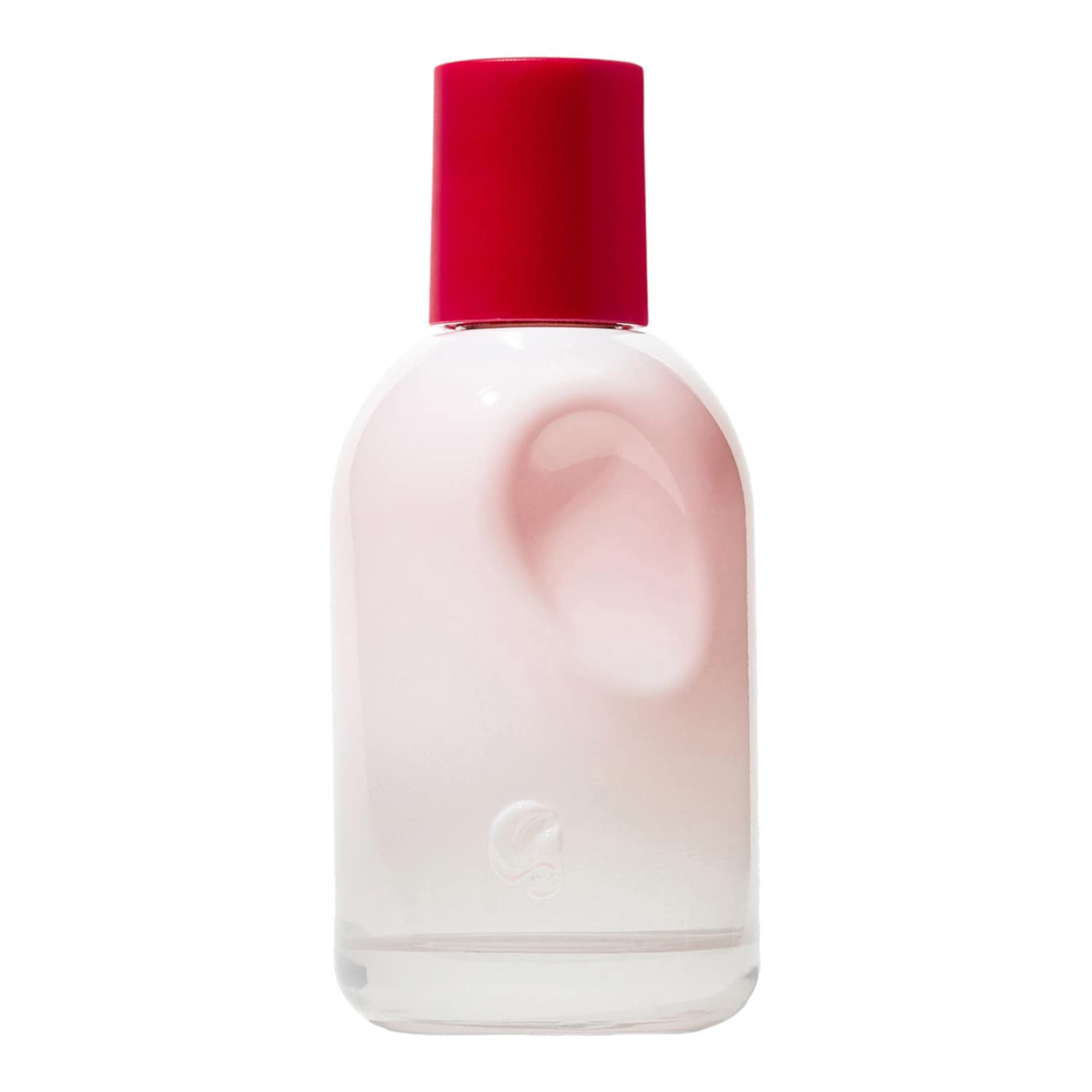
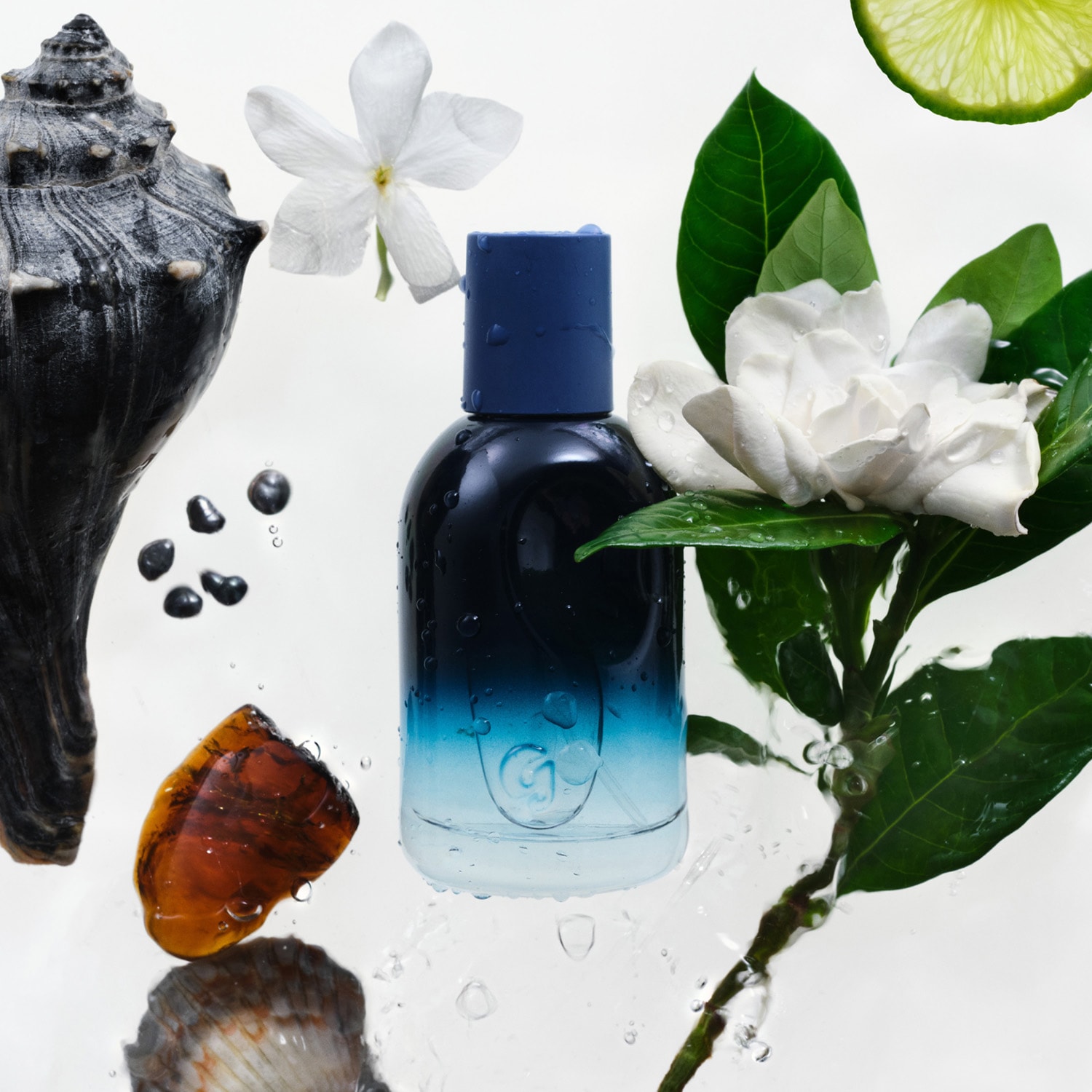
Several Glossier products became closely identified with the brand. Boy Brow, an eyebrow gel, is its best-selling item and is described as having a cult-like following; it won an Allure Best of Beauty Award in 2017 [7]. Cloud Paint, a blendable blush, launched in 2017 and sold out within hours of release. Other recurring products include the Balm Dotcom lip balm, the Milky Jelly Cleanser and the Glossier You fragrance. The Milky Jelly Cleanser illustrates the brand's feedback-driven development: it was shaped by customer responses to the prompt "What would be your dream face wash…who would play it in a movie?", with answers such as Eddie Redmayne, Julianne Moore and Emma Stone pointing the company toward a formula for lighter, more sensitive skin [6].
On manufacturing, the company says it does not own or operate factories or warehouses, instead working with vendors that develop, make and ship products on its behalf. Its supply-chain policy states that partners must not "conduct or commission animal testing of any of our products, including ingredients or formulations," and cannot source from suppliers that do so [3].
Sustainability
Through its Glossier for Good programme, the company says it supports "underrepresented founders and communities," and its Grant Program invests in Black beauty entrepreneurs, an initiative it later expanded to the United Kingdom in partnership with Black Girl Fest. The programme also directs a portion of in-store merchandise sales to local community organisations.
The brand's packaging has drawn criticism. Glossier Play, launched in 2019 and discontinued in 2020, was criticised for unsustainable packaging [4]. In 2024 Glossier received a sustainability rating of 2 out of 5, with roughly 40% of its packaging reported as non-recyclable [4].
Current status
Glossier remains an active, US-based company with documented operations into 2026, sold globally through its own website and retail partners including Sephora, Space NK and Mecca. Its recent trajectory, however, has been one of contraction in physical retail: the February 2026 layoffs of about a third of staff and the March 2026 closure of nine of twelve stores mark a pullback from the store expansion of earlier years.
Facts & evidence
Documented facts from Glowpedia's fact base — every row carries a source.
Timeline#
Emily Weiss founds the Into The Gloss beauty blog↗ forward2me.com
Glossier launches with four products: an all-purpose balm, a facial mist, a sheer skin tint, and a moisturizer↗ en.wikipedia.org
Cloud Paint launches and sells out within hours; Boy Brow wins Allure Best of Beauty Award↗ youngurbanproject.com
Opens first permanent retail location in New York; surpasses $100 million in annual revenue↗ en.wikipedia.org
Reaches unicorn status at a $1.2 billion valuation; launches GlossiWEAR and Glossier Play↗ en.wikipedia.org
Major layoffs; Emily Weiss steps down as CEO and becomes executive chairwoman, replaced by Kyle Leahy↗ en.wikipedia.org
Enters approximately 600 Sephora doors across the U.S.↗ youngurbanproject.com
Awards#
Allure Best of Beauty Award — Boy Brow↗ youngurbanproject.com
Signature products#
Boy Brow, Glossier's best-selling eyebrow gel, one of the most talked-about products in modern beauty, came directly from the Into the Gloss comment section.↗ youngurbanproject.com
Balm DotCom (lip balm)↗ en.wikipedia.org
Cloud Paint launched in 2017 and flew off the shelves, selling out within hours of launch.↗ youngurbanproject.com
Created based on customer feedback through the question: "What would be your dream face wash…who would play it in a movie?"↗ fortune.com
Fragrance (Glossier You variants)↗ glossier.com
Boy Brow — Best-selling eyebrow gel described as having a cult-like following; one of the most talked-about products in modern beauty.↗ en.wikipedia.org
Cloud Paint — Launched in 2017 and sold out within hours of launch.↗ youngurbanproject.com
Mentioned in#
Fortune — Profiled Glossier's customer-obsessed model, noting it would make more than $100 million in revenue that year and that it eschews celebrity spokespeople and avoids paying Instagram influencers.↗ fortune.com
Certification pass
What each certification and self-stated claim rests on: the source, whose website it's on, and what needs review.
“Partners must "not conduct or commission animal testing of any of our products, including ingredients or formulations," and cannot source from suppliers that do the same.”↗ glossier.com
None of these statements has been checked against the certifying bodies' registers. The statements were observed on 14 Jun 2026.
Where to buy
Where the brand is sold according to Glowjakt's price data, per market.
Prices come from Glowjakt and are updated daily. Glowpedia receives no payment for clicks.
Ingredients across the range
Key ingredients across Glossier's range, from the ingredient lists of 13 of 13 products in Sweden.
Share of products with a known ingredient list. “None identified” means nothing matched our ingredient groups, not that the product is free of them.
Sources
T1 primary · T2 secondary · T3 note- [3]T2glossier.com/en-se/pages/supply-chain-transparencyglossier.com (brand site)
- [4]T3en.wikipedia.org/wiki/GlossierWikipedia
- [5]T3forward2me.com/blog/emily-weiss-glossier/forward2me.com
- [6]T3fortune.com/2018/12/11/glossier-milky-jelly-cleanser-eddie-redmaynefortune.com
- [7]T3youngurbanproject.com/glossier-case-study/youngurbanproject.com