Overview
Dolce&Gabbana is the beauty and fragrance arm of the Italian fashion house of the same name, founded in 1985 in Legnano, Italy, by designers Domenico Dolce and Stefano Gabbana [9]. The pair had met in 1982 while both worked for the Italian label Giorgio Corregiari, and built their company into one of Italy's defining luxury brands. The beauty line began as a licensed perfume business in the early 1990s and was brought fully in-house in the early 2020s; by the 2024–2025 fiscal year it accounted for roughly 35% of total company revenue.
The division is run from Milan through the subsidiary DOLCE&GABBANA Beauty S.r.l., which the parent group describes as operating "in the production, processing, packaging and marketing sector, both directly and through third parties, of perfumes, cosmetic and make-up." Its catalogue spans fragrance, makeup and skincare, with the women's fragrance Light Blue as its longest-running signature.
Origin and founders
Dolce and Gabbana opened a design consulting studio in Milan in the early 1980s and showed their first womenswear collection in 1985, the year recorded as the brand's founding [9]. The house grew out of Sicilian and broader Mediterranean references that remain central to its identity, and that heritage later shaped how its fragrances were marketed.
The beauty business arrived later and through partners rather than the founders' own factories. The first perfumes — Dolce & Gabbana Pour Homme and Pour Femme — were produced and distributed by the Italian licensee Euroitalia. Sources differ on the exact launch year: the dedicated Dolce&Gabbana Beauty entry dates the two scents to 1992 [8], while the parent fashion house's record places them in 1990 [9]. Both early fragrances drew industry recognition soon after release, with Pour Femme winning a Perfume Academy award for best feminine fragrance in 1993 and Pour Homme taking the equivalent masculine award in 1995 [8].
History and milestones
For three decades the beauty line operated under a series of external licenses. Euroitalia held it from the early 1990s until 2005, when the license passed to P&G Prestige [8]. In 2001 the company introduced Light Blue for women, which became its enduring bestseller; The One for women followed in 2006.
In 2016 Dolce&Gabbana signed a worldwide exclusive beauty license with Shiseido, managed through the group's European entity Beauté Prestige International. The agreement was signed on 1 July 2016 and took effect that October, covering fragrance, makeup and skincare [12]. The arrangement proved relatively short-lived. Trade publication WWD reported that the license was terminated effective 31 December 2021 for all markets except France, with Dolce&Gabbana set to handle production and distribution itself for at least a 12-month transition; WWD noted the brand's 2015 wholesale revenues had exceeded $500 million [10]. Shiseido framed the exit as part of a strategy to concentrate on skincare.
Dolce&Gabbana then moved the business in-house. It established the Dolce&Gabbana Beauty subsidiary in February 2022 — a step the company says created roughly 250 new jobs — and took full operational control from 1 January 2023 [8]. More recent additions to the range include the Lip Stylos makeup line, launched in November 2024 [8].
Ownership
The beauty division is wholly owned within the Dolce & Gabbana group and is not licensed to an outside operator. DOLCE&GABBANA Beauty S.r.l. is registered in Milan and receives legal, tax, treasury, IT and general services from the parent company Dolce & Gabbana S.r.l. under internal service contracts. The wider group is privately held and structured as an Italian limited liability company, with subsidiaries across Europe, Asia-Pacific and the Americas.
Philosophy and positioning
Wikipedia describes the parent as "an Italian luxury fashion house," and the beauty line is positioned within that same world of Italian craftsmanship and Mediterranean heritage. Campaign copy on the brand's site leans on imagery of sunlight and freshness — Light Blue is presented around "the golden energy of the sun," and the skincare range around "fresh, plumped and naturally radiant skin." The fragrance catalogue is offered in several formats, including traditional eau de toilette and eau de parfum, alcohol-free perfume gels, refills and gift sets, alongside engraving and a fragrance-finder tool.
Products and innovation
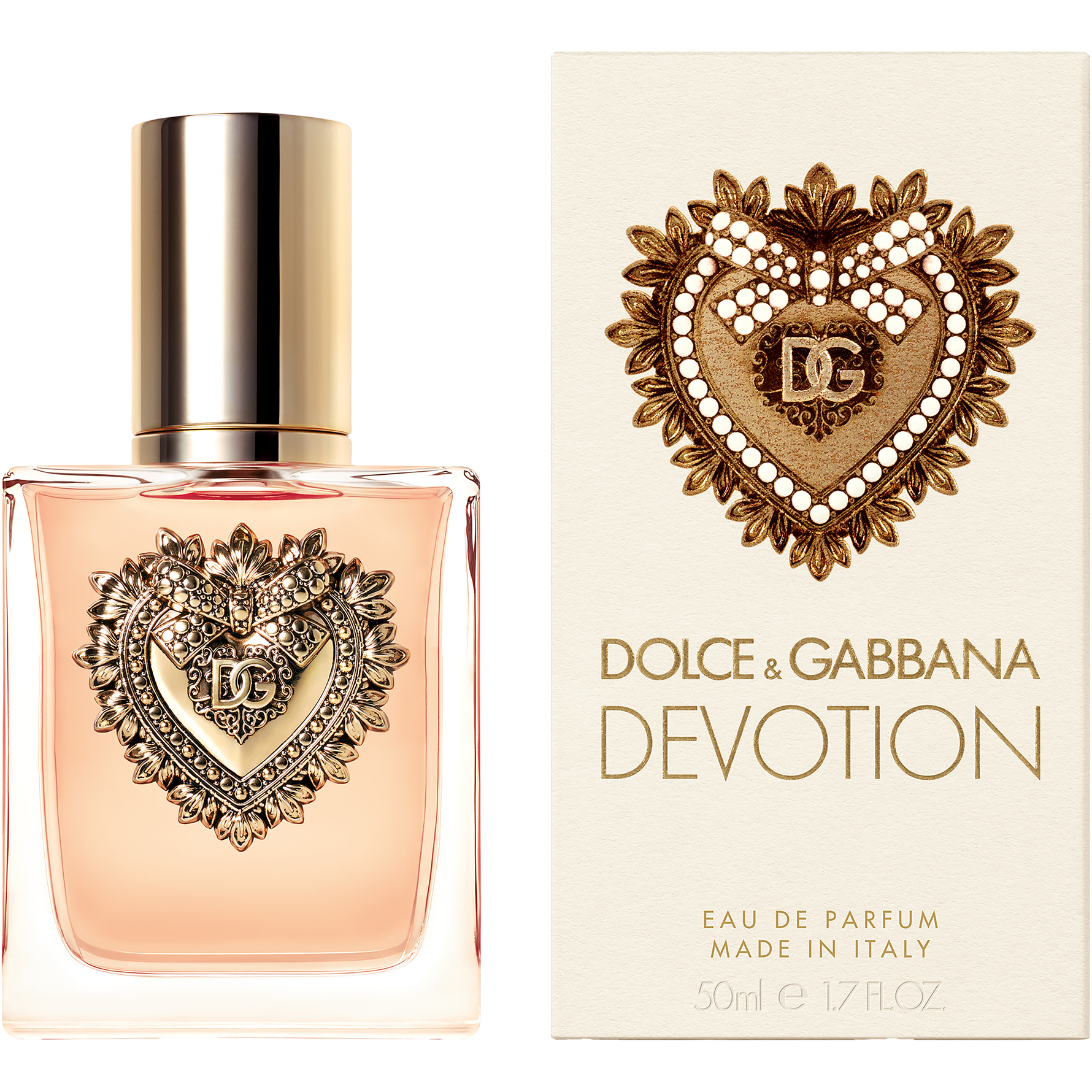
Fragrance is the core of the beauty business. Beyond Light Blue and The One, the women's line-up includes Dolce, Devotion (launched 2023) and Q by Dolce&Gabbana, while K by Dolce&Gabbana (2019) anchors the men's range [8]. The company also produces makeup across face, eyes, lips and nails, plus a skincare collection and candles.
Light Blue is the brand's most recognised product. Built around notes of Sicilian lemon, apple and cedarwood, it has been positioned as an everyday Mediterranean scent rather than a special-occasion one. Consumer outlet PureWow described it as a "G.O.A.T of perfumes" and "timeless," noting its standing as a frequently complimented fragrance, and quoted the framing that "for us Italians, it's the perfect representation of the Amalfi Coast" [11].
Sustainability
Dolce&Gabbana organises its environmental strategy around seven stated pillars, including Net Zero Carbon, a Zero Waste approach, and Made in Italy and heritage preservation. The company committed to the Science Based Targets initiative for climate action in July 2024 and published packaging guidelines aimed at "circular and lower environmental impact" in 2023. It also lists initiatives such as the Botteghe di Mestiere artisan school and a textile-waste effort through the Re.Crea consortium.
Recognition
The brand's earliest awards came from the Perfume Academy, which named Pour Femme best feminine fragrance in 1993 and Pour Homme best masculine fragrance in 1995. In the years since, Light Blue in particular has drawn sustained consumer and editorial attention as a long-running bestseller.
Controversies
Several controversies attach to the parent fashion house rather than the beauty line specifically [9]. In 2015, remarks by the founders opposing "gay adoptions" and IVF prompted the #BoycottDolceGabbana campaign. In 2018, promotional videos seen as racist, released ahead of a Shanghai show, led to the show's cancellation and the removal of products from Chinese retailers.
Current status
Dolce&Gabbana's beauty business is active and operating globally. It has run as an in-house division since January 2023, with continued product launches such as the November 2024 Lip Stylos range, and by the 2024–2025 fiscal year it represented about 35% of total Dolce & Gabbana revenue [9].
Facts & evidence
Documented facts from Glowpedia's fact base — every row carries a source.
Timeline#
Dolce & Gabbana fashion house founded in Legnano, Italy by Domenico Dolce and Stefano Gabbana↗ en.wikipedia.org
First perfumes launched: Dolce & Gabbana Pour Homme and Pour Femme, produced/distributed by Euroitalia↗ en.wikipedia.org
Light Blue for women launched (enduring bestseller fragrance)↗ en.wikipedia.org
Beauty/fragrance license moved from Euroitalia to P&G Prestige↗ en.wikipedia.org
Worldwide exclusive beauty license signed with Shiseido (Beauté Prestige International), effective October 1, 2016↗ corp.shiseido.com
Dolce&Gabbana established in-house Dolce&Gabbana Beauty S.r.l. (Feb 2022); ~250 new jobs created↗ en.wikipedia.org
Full operational control of beauty business taken in-house effective January 1, 2023↗ en.wikipedia.org
Awards#
Perfume Academy award for best feminine fragrance — Fragrance (Pour Femme)↗ en.wikipedia.org
Perfume Academy award for best masculine fragrance — Fragrance (Pour Homme)↗ en.wikipedia.org
Signature products#
Light Blue for women (2001)↗ en.wikipedia.org
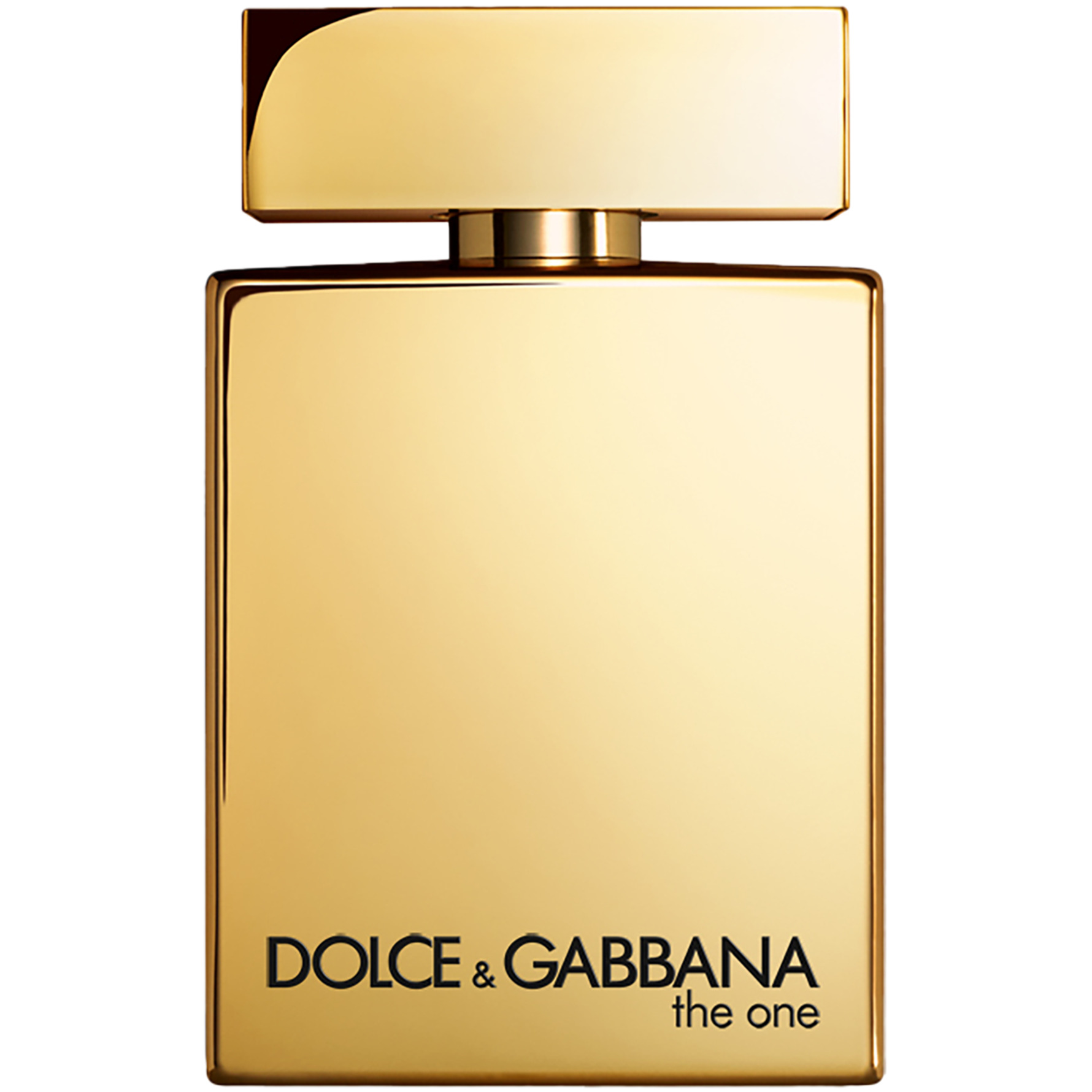
The One for women (2006)↗ en.wikipedia.org
Devotion for women (2023)↗ en.wikipedia.org
Dolce & Gabbana Pour Femme (1992)↗ en.wikipedia.org
K for men (2019)↗ en.wikipedia.org
Light Blue — Reddit-favorite, described as a "G.O.A.T of perfumes" and "timeless"; bestseller since its 2001 release.↗ purewow.com
Mentioned in#
WWD — Reported Shiseido partially terminating the D&G beauty license (effective Dec 31, 2021) ahead of D&G taking beauty in-house; 2015 wholesale revenues exceeded $500 million.↗ wwd.com
PureWow — Light Blue described as a "G.O.A.T of perfumes" and "timeless," a cult/compliment-magnet fragrance on Reddit.↗ purewow.com
Certification pass
What each certification and self-stated claim rests on: the source, whose website it's on, and what needs review.
“Made in Italy & Heritage Preservation: Promoting Italian craftsmanship while protecting cultural and natural heritage”↗ sustainability.dolcegabbana.com
“Packaging guidelines toward "circular and lower environmental impact" with recycling/recovery certification standards”↗ sustainability.dolcegabbana.com
“Fragrances are available in multiple delivery systems: traditional Eau de Toilette/Eau de Parfum, alcohol-free perfume gels, refills, and coordinated gift sets”↗ dolcegabbana.com
None of these statements has been checked against the certifying bodies' registers. The statements were observed on 9 Jun 2026.
Where to buy
Where the brand is sold according to Glowjakt's price data, per market.
Prices come from Glowjakt and are updated daily. Glowpedia receives no payment for clicks.
Ingredients across the range
Key ingredients across Dolce&Gabbana's range, from the ingredient lists of 699 of 829 products in Sweden.
Share of products with a known ingredient list. “None identified” means nothing matched our ingredient groups, not that the product is free of them.
Sources
T1 primary · T2 secondary · T3 note- [8]T3en.wikipedia.org/wiki/Dolce%26Gabbana_BeautyWikipedia
- [9]T3en.wikipedia.org/wiki/Dolce_%26_GabbanaWikipedia
- [10]T3wwd.com/beauty-industry-news/beauty-features/dolce-gabbana-shiseido-beauty-license-1234813997/wwd.com
- [11]T3purewow.com/beauty/dolce-and-gabbana-light-blue-perfume-reviewpurewow.com
- [12]T3corp.shiseido.com/en/news/detail.htmlcorp.shiseido.com