Overview
Nivea is a German personal-care brand specializing in skin and body care, owned by the Hamburg-based company Beiersdorf AG. It dates its own founding to 1911, the year Nivea Creme was introduced as what the company describes as the world's first stable cream based on oil and water [1]. The brand itself is younger than its parent: Beiersdorf traces its corporate foundation to a patent specification dated March 28, 1882 [9], while 1911 marks the launch of the Nivea product line the name now refers to.
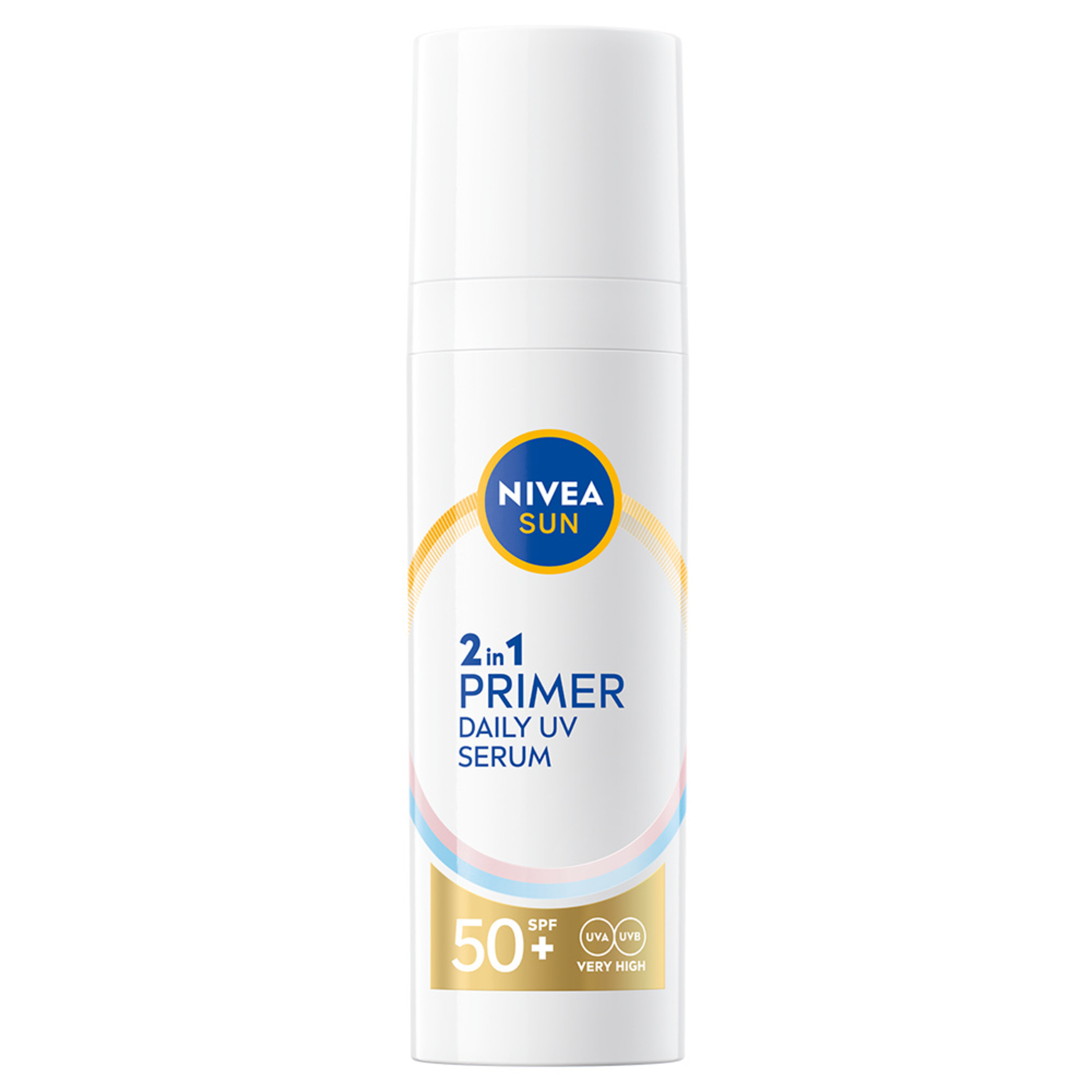
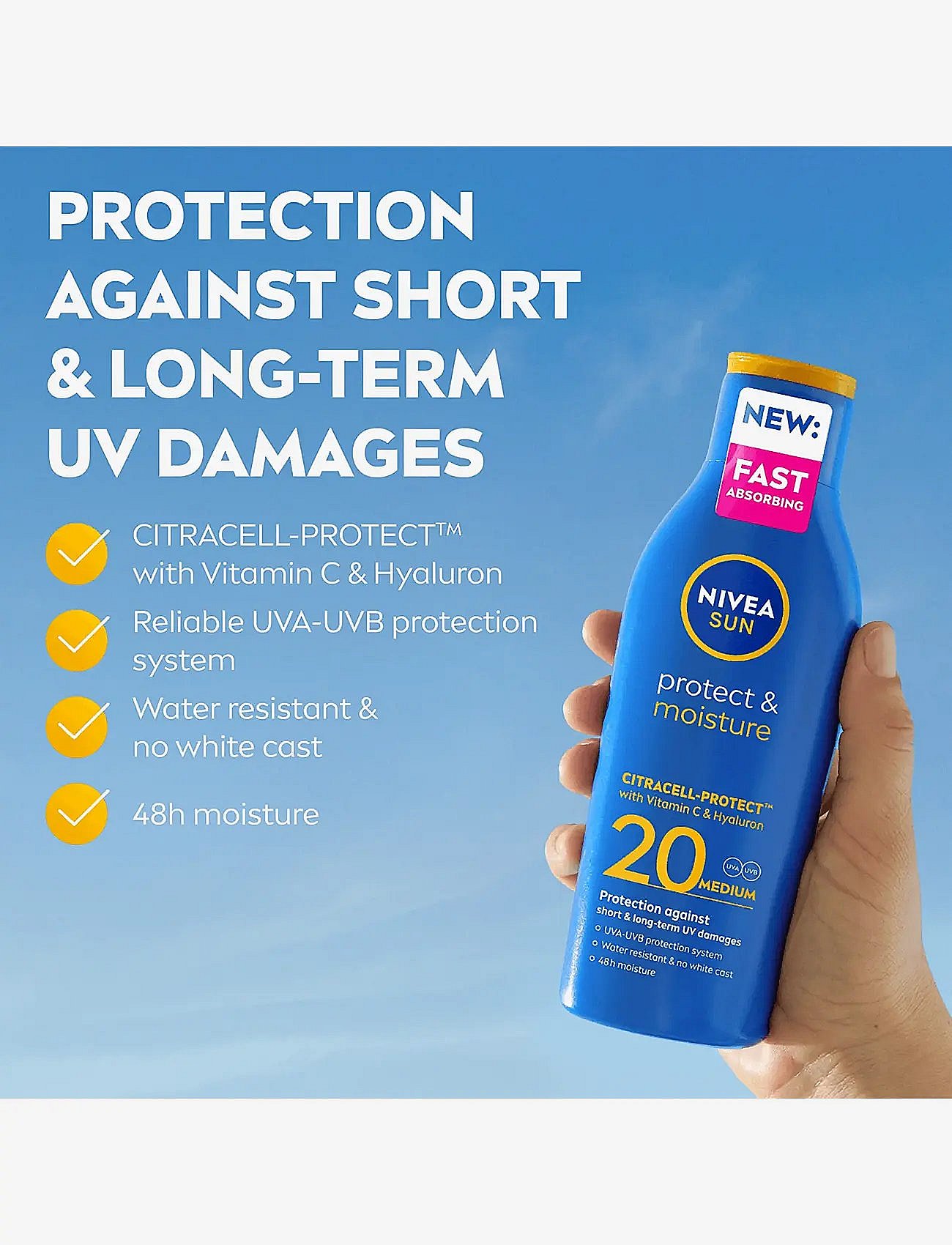
For more than a century Nivea has grown from that single tin of cream into a multi-category brand. Its range today spans face care, body care, sun protection, deodorant, shower products and a dedicated men's line, and according to Beiersdorf roughly 30% of women worldwide use a Nivea product.
Origin and founders
The brand emerged from a Hamburg laboratory that the pharmacist Oscar Troplowitz acquired from Paul C. Beiersdorf in 1890 and built into a branded-goods company. Troplowitz mechanized production quickly and in 1892 established a factory on what is now Unnastrasse, the site where Beiersdorf's headquarters still stands. He was, the company recounts, an internationally minded entrepreneur who believed that branded goods offering reliable quality and real benefit could succeed where unbranded products could not — a conviction that also produced the sister brands Labello and Leukoplast.
Nivea Creme itself was developed collaboratively by Troplowitz, the chemist Isaac Lifschütz and the dermatologist Paul Gerson Unna [3]. The decisive component was Eucerit, an emulsifier derived from sheep's wool wax that Lifschütz had patented in 1900 [9]. It was what allowed oil and water to be combined into a stable emulsion suitable for mass production, something earlier creams had not achieved. The name was taken from the Latin "nix, nivis," meaning snow — a reference to the cream's white colour.
History and milestones
Within three years of its 1911 launch, the company says Nivea Creme had crossed oceans and continents, reaching markets from Buenos Aires to Sydney and San Francisco. The product's visual identity then changed in 1925, when the art nouveau styling of the original container was replaced by the plain blue tin with white lettering the brand still uses [3]. Advertising of the period shifted with it, leaning toward themes of leisure, sport and the outdoors.
The range broadened steadily through the twentieth century. The first sun-protection product, Nivea Ultra Oil, appeared in 1936; the 1930s also brought shaving cream, shampoo and skin oil. Nivea Milk, an oil-in-water emulsion for full-body care, followed in 1963 and, the company notes, found immediate international success. A men's line developed from the After Shave Balsam introduced in the 1980s, and the brand launched its first deodorants in 1991. The following year, Beiersdorf describes Nivea as having become the world's largest skin-care brand [3]. A Q10 face-care line launched in 1998.
Nivea marked its centennial in 2011. In the same year, the company records Nivea Invisible for Black & White as the most successful deodorant launch in its history [3]. A global redesign in 2013 introduced a minimalist look drawn from the classic Creme tin.
Ownership
Nivea is owned by Beiersdorf AG, the Hamburg company from which it originated. Beiersdorf's portfolio also includes the dermatological brand Eucerin, the lip-care brand Labello and the prestige skincare house La Prairie, among others. The corporate structure took its modern form in 1922, when the enterprise became a public limited company following the deaths of Troplowitz and his co-shareholder Otto Hanns Mankiewicz in 1918. During the Second World War the Nivea trademark was expropriated in many countries; Beiersdorf repurchased the rights in the years after 1945 [9].
Philosophy and positioning
Nivea presents itself as science-backed skincare for the whole family, suitable across skin types and life stages and built around care rather than perfection. The company frames its history as one of "confidence and community – not perfection" [7], and summarizes its purpose as supporting, protecting and celebrating "the skin you live in." Its current tagline is "NIVEA är FÖR HUDEN" (Nivea is for your skin).
In price terms the brand sits at the drugstore end of the market. The editorial outlet Who What Wear noted the blue-tin Creme retailing at around $6 and positioned it as an affordable alternative to costlier skincare [10].
Products and innovation
The blue tin of Nivea Creme remains the brand's signature product, and its formula — built on Eucerit alongside glycerin and other ingredients — has changed comparatively little over its lifetime. Beyond it, the brand highlights ingredients including hyaluronic acid, squalane and niacinamide across its face-care lines, and credits itself with being first to incorporate the active Q10 into anti-wrinkle creams [1]. Other technologies associated with the wider Beiersdorf group include the pigmentation active Thiamidol, developed for the sister brand Eucerin.
In 2024 the blue-tin Creme drew renewed attention online. Who What Wear described it as "the internet's buzziest moisturizer" and reported claims circulating that it functioned as a low-cost stand-in for La Mer's original hydrating cream [10]. The same review framed the product's appeal as multi-generational and cost-conscious, a reliable basic returned to across a family.
Sustainability
Nivea structures its environmental messaging around the idea that healthy skin depends on a healthy climate, stating a vision of climate neutrality as its primary target [8]. Its packaging approach follows circular-economy principles — reducing plastic where possible, recycling, and replacing materials where meaningful. The company says it supports sustainable palm oil, offers vegan skincare options and uses an EcoBeautyScore labelling system to compare products' environmental impact. It states no specific numeric targets or third-party certifications on these pages.
Controversies
In 2011 the United States Federal Trade Commission fined Nivea $900,000 over unsupported weight-loss claims made for its "My Silhouette!" cream; the brand was separately criticized that year for omitting Israel from a world map shown on its website. In 2019, the advertising agency FCB ended a roughly century-long relationship with the brand, citing Nivea's rejection of an advertisement that featured two men's hands touching [9].
Current status
Nivea is an active, globally distributed brand. Beiersdorf positions it as a market leader in skincare, and its most recent visible activity includes the Nivea Connect 2025 social-mission campaign listed on the brand's hub [6].
Facts & evidence
Documented facts from Glowpedia's fact base — every row carries a source.
Timeline#
Oscar Troplowitz acquired Paul C. Beiersdorf's laboratory in Altona and transformed it into a company↗ beiersdorf.com
Patent filed for Eucerit, the emulsifying agent foundational to NIVEA Creme↗ beiersdorf.com
NIVEA Creme introduced — the world's first stable oil-and-water-based cream suitable for mass production↗ beiersdorf.com
The iconic blue tin was born (redesign replacing the art nouveau original)↗ beiersdorf.com
First sun protection product introduced (NIVEA Ultra Oil)↗ beiersdorf.se
NIVEA Milk introduced — oil-in-water emulsion for full-body care↗ beiersdorf.com
Launched first deodorants↗ beiersdorf.se
NIVEA became the world's largest skin care brand↗ beiersdorf.com
Launched Q10 Face Care line↗ beiersdorf.se
Centennial; NIVEA Invisible for Black & White became the most successful deodorant launch in company history↗ beiersdorf.com
Global brand redesign with minimalist aesthetic inspired by the classic Creme tin↗ beiersdorf.com
Signature products#
The brand was founded in 1911 when NIVEA Creme was introduced... the world's first stable cream based on oil and water.↗ beiersdorf.se
Introduced NIVEA Milk in 1963 as the first liquid cream↗ beiersdorf.se
Launched Q10 Face Care line in 1998↗ beiersdorf.se
Introduced first sun protection product (NIVEA Ultra Oil) in 1936↗ beiersdorf.se
NIVEA Invisible for Black & White became the most successful deodorant launch in company history.↗ beiersdorf.com
NIVEA Creme (blue tin) — Described as a viral, cult moisturizer and an affordable 'dupe' for La Mer's original hydrating cream↗ whowhatwear.com
Key ingredients#
Proprietary technologies & patents#
“Dr. Isaac Lifschütz, who invented Eucerit, an emulsifier that became essential to NIVEA Creme's distinctive properties.”
“The product uses Eucerit, an emulsifier derived from sheep's wool lanolin, patented in 1900”
Mentioned in#
Who What Wear — Reviewed NIVEA's 'iconic blue-tin Creme' as 'the internet's buzziest moisturizer that's allegedly a dupe for La Mer's original hydrating cream'↗ whowhatwear.com
Certification pass
What each certification and self-stated claim rests on: the source, whose website it's on, and what needs review.
“återvinner så mycket plast vi kan (recycle maximum plastic)”↗ nivea.se
“Offering vegan skincare options”↗ nivea.se
None of these statements has been checked against the certifying bodies' registers. The statements were observed on 20 Jun 2026.
Where to buy
Where the brand is sold according to Glowjakt's price data, per market.
Prices come from Glowjakt and are updated daily. Glowpedia receives no payment for clicks.
Ingredients across the range
Key ingredients across Nivea's range, from the ingredient lists of 1,136 of 1,286 products in Sweden.
Share of products with a known ingredient list. “None identified” means nothing matched our ingredient groups, not that the product is free of them.
Related brands


Sources
T1 primary · T2 secondary · T3 note- [1]T1beiersdorf.se/brands/niveabeiersdorf.se (brand site)
- [3]T2beiersdorf.com/about-us/our-history/milestonesbeiersdorf.com (brand site)
- [6]T2nivea.se/artiklar/varumarkenivea.se (brand site)
- [7]T2nivea.se/artiklar/varumarke/our-storynivea.se (brand site)
- [8]T2nivea.se/artiklar/varumarke/sustainability/one-skin-one-planet-one-carenivea.se (brand site)
- [9]T3en.wikipedia.org/wiki/NiveaWikipedia
- [10]T3whowhatwear.com/nivea-creme-moisturizer-reviewwhowhatwear.com