
Overview
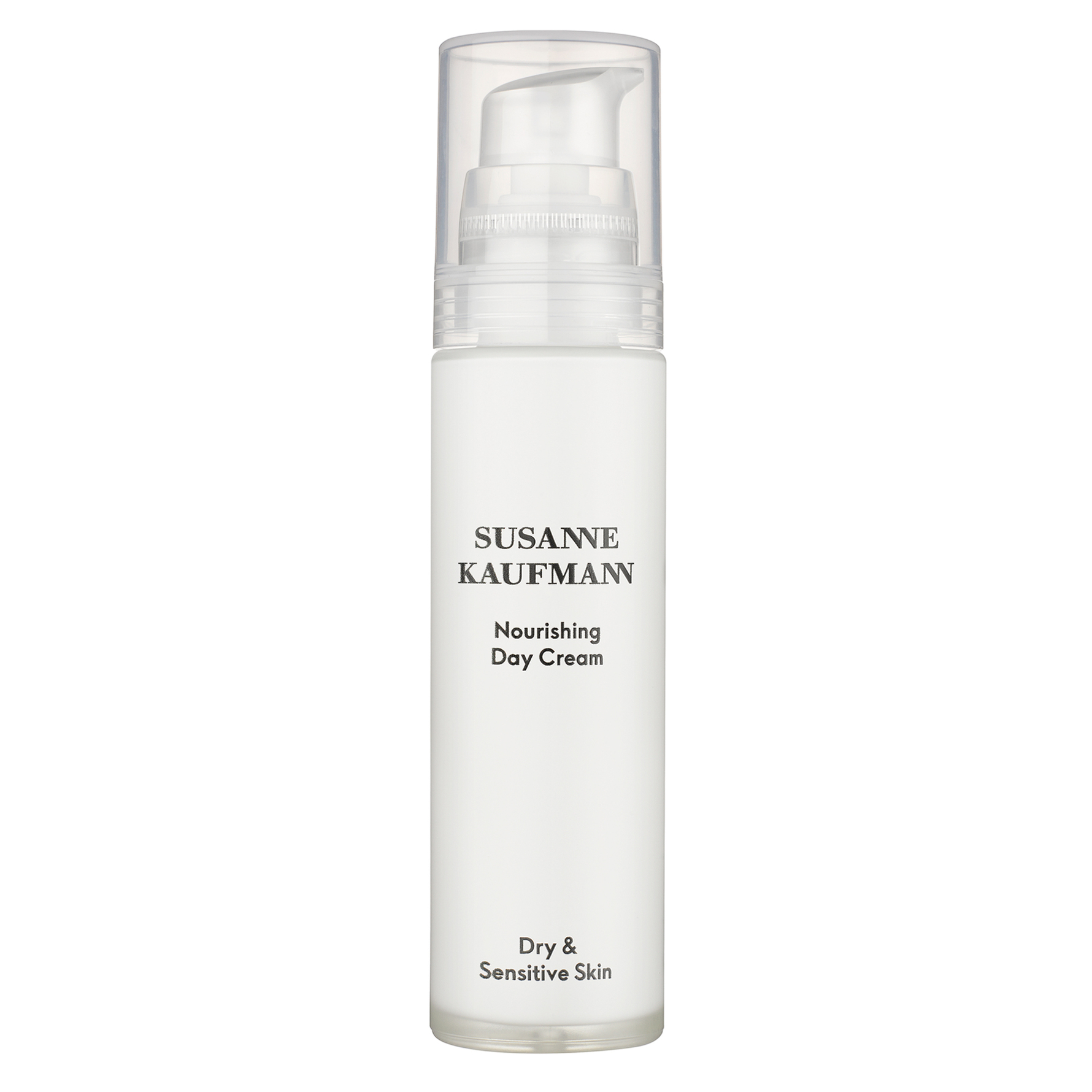
Susanne Kaufmann is an Austrian skincare company founded in 2003 in the Bregenzerwald, an Alpine region of western Austria, by the entrepreneur of the same name [8]. The line grew out of the spa at her family's Hotel Post in Bezau, and it builds its formulas around Alpine botanicals paired with modern cosmetic science.
The brand remains active and internationally distributed. Since 2019 it has been partly owned by the London investment firm Manzanita Capital, which took a minority stake while the founder stayed on as shareholder and managing director [7].
Origin & founders
Susanne Kaufmann grew up in the Bregenzerwald and, by her own account, was introduced to the healing properties of Alpine plants by her grandmother. She is the fifth-generation owner of Hotel Post in Bezau, a hotel her family opened in 1850 [8]. The spa attached to the hotel became the starting point for the skincare line.
According to the editorial account in Coveteur, Kaufmann decided to develop her own products in 2003 after concluding that the range then stocked in the spa did not reflect the hotel's ethos. The first product was a hydrating shampoo, followed by a wider set of preparations for the spa's treatments. Working with a team of pharmacists and dermatologists, she launched the eponymous line the same year. The company describes the spa as a "living laboratory" where its formulations are tested.
History & milestones
The brand's roots reach back to the 1850 opening of Hotel Post in Bezau, though the skincare business itself dates to 2003. Early demand was driven in part by a feature in Vogue Germany, which the Coveteur account credits with pushing the line beyond the hotel spa and into wider commercial distribution [8].
In 2019, Manzanita Capital acquired an undisclosed minority stake in the legal entity Susanne Kaufmann Kosmetik GmbH [7]. Manzanita is a London-based firm focused on high-end, niche beauty brands, with a portfolio that has included Diptyque, Byredo, Space NK and Malin + Goetz.
Ownership
Since October 2019 the company has been part-owned by Manzanita Capital [7]. The size of the stake was not disclosed. At the time of the deal, Kaufmann stated that she would remain a shareholder and managing director with continued responsibility for product development and quality assurance. Manzanita described its interest in terms of the brand's clean-beauty positioning and its appeal to what it called "the informed and sophisticated customer" [7].
Philosophy & positioning
Susanne Kaufmann positions itself at the point where Alpine herbal tradition meets laboratory science. The company frames its approach as "active restoration" that aims to strengthen the skin's own functions and barrier rather than deliver a quick fix, and it presents plant extracts and what it calls "bio-intelligent actives" as working together toward skin resilience. Its homepage tagline is "Skincare Powered By Nature."
At the 2019 investment, the founder described her ambition as establishing the company "as one of the leading clean beauty brands" [7]. Editorial coverage has placed it within the clean-beauty and slow-beauty movements. Pricing sits at the prestige end of the market; examples reported at the time of the Manzanita deal included a 50-ml cold cream at 71 euros.
Products & innovation
The range covers face, body and spa products. Its formulations draw on Alpine botanicals such as Alpine rose, edelweiss, gentian root and Alpine willowherb extracts, alongside more familiar actives including vitamin C, hyaluronic acid and pumpkin enzymes. The company also markets a proprietary "Soothing Mushroom Blend," which it describes as a trio of snow mushroom, reishi and albatrellus confluens extract.
A vitamin C serum has been singled out repeatedly in editorial coverage; Vogue Scandinavia editors have described it as "skin-transforming" [9]. The brand is sold through prestige retailers including Net-a-Porter, and editorial accounts have also listed Bloomingdale's, Revolve and Dermstore.
Sustainability
The company says its products are designed, hand-produced and packaged in the Bregenzerwald, with manufacturing in Austria and Switzerland, and states that production has been solar-powered since 2003 [4]. Its packaging program uses recycled glass for the signature bottles and jars and offers refillable formats; the brand reports that refills reduce carbon emissions by up to 69 percent [4]. On its harvested materials the company uses "clean," "natural" and "organic" language, but no third-party certification such as COSMOS, NATRUE or B Corp was stated.
Recognition
Coverage has come chiefly from fashion and beauty press. An early feature in Vogue Germany is credited with expanding demand beyond the hotel spa [8], and Vogue Scandinavia included the brand in a 2024 beauty edit, highlighting the vitamin C serum and a bilberry-seed face oil [9]. Trade publication WWD reported the Manzanita Capital investment in 2019 [7].
Current status
The brand is active and globally distributed. Its most recent documented activity is 2024 editorial coverage in Vogue Scandinavia, alongside continued distribution through international prestige retailers [9].
Facts & evidence
Documented facts from Glowpedia's fact base — every row carries a source.
Timeline#
Kaufmann family opens Hotel Post in Bezau, Bregenzerwald (the family spa heritage from which the brand later grew)↗ coveteur.com
Susanne Kaufmann launches her eponymous natural skincare line (first product a hydrating shampoo for the Hotel Post spa); production solar-powered from the start↗ susannekaufmann.com
Manzanita Capital takes a (undisclosed) stake in Susanne Kaufmann Kosmetik GmbH; founder stays as shareholder and managing director↗ wwd.com
Manzanita Capital (London) acquired a minority stake in Susanne Kaufmann Kosmetik GmbH↗ wwd.com
Signature products#
having introduced the Vogue Scandinavia team to her skin-transforming Vitamin C serum↗ voguescandinavia.com
Vitamin C Serum — Repeatedly cited by Vogue Scandinavia editors as a standout, 'skin-transforming' product↗ voguescandinavia.com
Key ingredients#
Proprietary technologies & patents#
“Soothing Mushroom Blend – Described as a restorative trio of snow mushroom, reishi and albatrellus confluens extract”
Mentioned in#
Vogue Germany — Early feature in Vogue Germany drove customer demand and the brand's commercial expansion beyond the hotel spa↗ coveteur.com
Vogue Scandinavia — Editor an 'avid fan'; Vitamin C serum and a bilberry-seed face oil highlighted in 2024 beauty edit↗ voguescandinavia.com
WWD (Women's Wear Daily) — Reported Manzanita Capital's stake in the brand, described as one of the leading clean beauty brands↗ wwd.com
Certification pass
What each certification and self-stated claim rests on: the source, whose website it's on, and what needs review.
“Our products are designed, hand-produced, and packaged in the Bregenzerwald”↗ susannekaufmann.com
“Our cartons from recycled materials — 100% recyclable”↗ susannekaufmann.com
“Refillable Format: Made from 75% post-consumer recycled plastic, 60% lighter than standard bottles”↗ susannekaufmann.com
“Kaufmann decided to develop her own organic beauty products in 2003”↗ coveteur.com
None of these statements has been checked against the certifying bodies' registers. The statements were observed on 17 Jun 2026.
Where to buy
Where the brand is sold according to Glowjakt's price data, per market.
Prices come from Glowjakt and are updated daily. Glowpedia receives no payment for clicks.
Ingredients across the range
Key ingredients across Susanne Kaufmann's range, from the ingredient lists of 51 of 51 products in Sweden.
Share of products with a known ingredient list. “None identified” means nothing matched our ingredient groups, not that the product is free of them.
Sources
T1 primary · T2 secondary · T3 note- [4]T2susannekaufmann.com/pages/sustainabilitysusannekaufmann.com (brand site)
- [7]T3wwd.com/feature/manzanita-capital-takes-stake-in-susanne-kaufmann-1203335373/wwd.com
- [8]T3coveteur.com/susanne-kaufmann-skincare-brandcoveteur.com
- [9]T3voguescandinavia.com/articles/vogues-weekly-edit-the-best-of-the-beauty-cupboard-9-februaryvoguescandinavia.com