Overview
Bulgari is an Italian luxury house founded in Rome in 1884 by the Greek silversmith Sotirio Bulgari [1]. It began as a jeweller and remains best known for jewellery and watches, but the house also runs a substantial fragrance business, which is the part of its work most relevant to the beauty market. The company is owned by the French luxury group LVMH, which acquired it in 2011 [2]. Although Wikipedia's company summary classifies the firm under "Retail," the article's own description places it as a luxury fashion house spanning jewellery, watches, accessories, fragrances, cosmetics and hotels [2]; for fragrance, it operates as a mainstream prestige perfumer rather than a niche one.
The brand is stylised as BVLGARI, using the Latin "V" in place of "U" — a reference to classical Rome that the house has carried in its logotype since 1934. The name itself derives from that of the founder, Sotirios Voulgaris [3].
Origin & founders
Sotirio Bulgari (born Sotirios Voulgaris) learned the jeweller's trade in Greece before leaving his home town in 1877. He made his way first to Corfu and then to Naples, settling in Rome around 1881, and established his business in the city in 1884 [3]. According to the company, the brand "quickly established a reputation for Italian excellence with exquisite craftsmanship and magnificent jewellery creations," and over successive generations the family developed a recognisable style built on vibrant colour combinations, balanced volumes and motifs drawn from the firm's Roman roots [1]. In 1905 the house opened its flagship store on Via Condotti in Rome, which became its long-standing address.
Ownership
Bulgari is part of LVMH Moët Hennessy Louis Vuitton, the French luxury conglomerate. The two companies announced a strategic alliance in 2011, in an all-share deal that Wikipedia values at €4.3 billion (about $6.0 billion); through it the Bulgari family received roughly 3% of LVMH's shares and became the group's second-largest family shareholder [2]. Within LVMH, Bulgari sits alongside other perfume and beauty houses such as Guerlain, Acqua di Parma, Givenchy and Kenzo. The house is described as one of the three largest jewellery companies in the world, after Tiffany & Co. and Cartier.
History & milestones
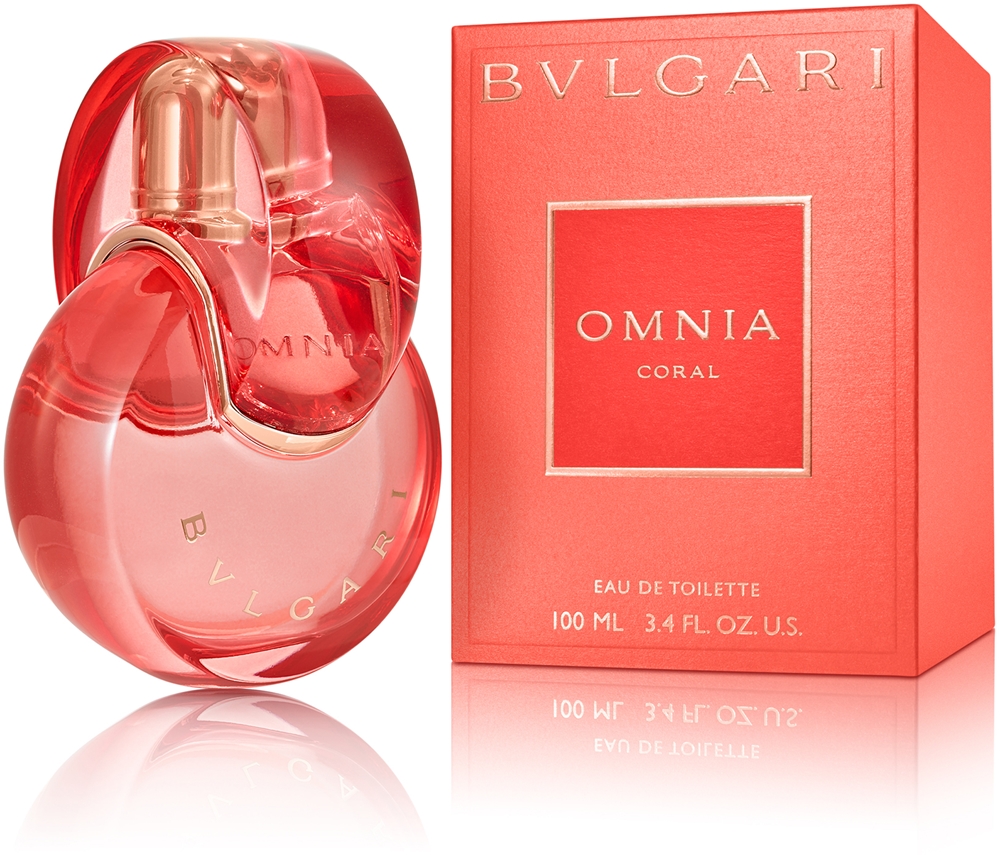
Bulgari spent its first century as a jeweller and watchmaker. It entered fragrance in 1993 with its first perfume, Eau Parfumée au Thé Vert, and that same year founded Bulgari Parfums in Switzerland to oversee the creation and production of all of its perfumes [2]. The fragrance arm expanded quickly through the following decades, building several long-running pillars. Among the most commercially important was Omnia, a women's fragrance launched in 2003 and composed by the perfumer Alberto Morillas [4]; Morillas also created Goldea, launched in 2015 [5]. The 2011 acquisition by LVMH placed the house within one of the largest luxury groups and its established perfume distribution network.
Philosophy & positioning
Bulgari frames its perfumes as an extension of its jewellery heritage. With the high-perfumery line Le Gemme, the house draws an explicit line from its Haute Joaillerie tradition to what editorial coverage describes as "the exclusive sphere of Haute Parfumerie," presenting the fragrances as "precious olfactive jewels" inspired by gemstones [7]. The Le Gemme collection pairs individual scents with stones significant to the brand's history — among them amethyst, tourmaline, turquoise, peridot, citrine and moonstone — and presents them in bottles shaped after ancient Greek and Roman amphorae.
Outside that ultra-premium tier, the house's mainstream fragrances are positioned as prestige rather than niche. Reviewing Goldea, the fragrance site Now Smell This characterised it as a "mid-priced modern mainstream prestige fragrance" and noted that it was aimed at women over 30, which the reviewer called an unusually mature target for the industry [6]. The same review observed that Bulgari has sought a commercially dominant pillar in the mould of Omnia.
Products & innovation
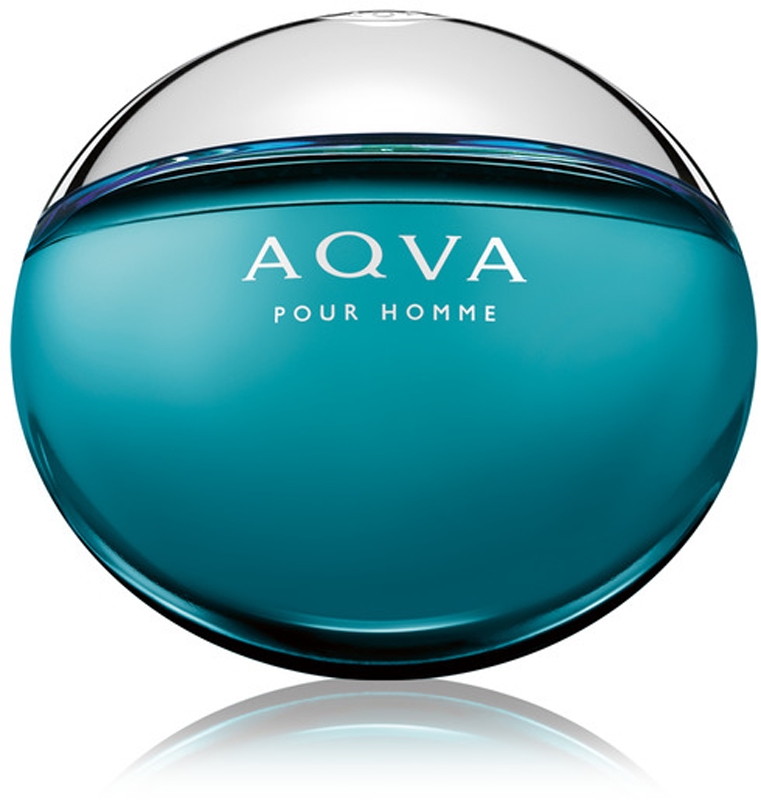
Bulgari's fragrance catalogue is organised into several families. On the women's side these include Omnia, Goldea, Splendida and the high-perfumery Le Gemme; the men's side encompasses BVLGARI Man, the Aqva (Aqua) line, the Classics and Blv Pour Homme [2]. The house has worked repeatedly with two master perfumers, Alberto Morillas and Jacques Cavallier; Cavallier developed the aquatic Aqva collection, built around notes such as mandarin orange, cotton flower and seaweed [3]. Perfume production is handled through Bulgari Parfums in Switzerland.
Current status
Bulgari is active. It continues to operate as an LVMH-owned house with an ongoing fragrance programme, including a 2026 release, Eau Parfumée Thé Impérial, listed among its current launches [8]. Its scope is global, and the perfume division remains in continuous production.
Facts & evidence
Documented facts from Glowpedia's fact base — every row carries a source.
Timeline#
Bulgari founded in Rome by Sotirio Bulgari (Greek silversmith/jeweller)↗ bulgari.com
Flagship Via Condotti store opened in Rome↗ en.wikipedia.org
Entered fragrance: first perfume Eau Parfumée au Thé Vert launched; Bulgari Parfums founded in Switzerland↗ en.wikipedia.org
Omnia (women's fragrance pillar) launched, by Alberto Morillas↗ fragrantica.com
Acquired by LVMH in an all-share deal for €4.3 billion↗ en.wikipedia.org
Acquired by LVMH (Moët Hennessy Louis Vuitton) in an all-share deal valued at €4.3 billion (~$6.0 billion); Bulgari family became LVMH's second-largest family shareholder↗ en.wikipedia.org
Goldea women's fragrance launched, by Alberto Morillas↗ fragrantica.com
Signature products#
Bulgari diversified its brand in 1993 with the launch of its first fragrance, Eau Parfumee au The Vert↗ en.wikipedia.org
Omnia by Bvlgari is an Oriental fragrance for women launched in 2003, created by nose Alberto Morillas.↗ fragrantica.com
Bvlgari collaborated with perfumer Jacques Cavallier on the Aqva collection, adding an aquatic note↗ fragrantica.com
men's collections encompass BVLGARI Man, Aqua, the Classics, and Blv Pour Homme↗ en.wikipedia.org
Goldea by Bvlgari is an Oriental Floral fragrance for women launched in 2015. The nose behind this fragrance is Alberto Morillas.↗ fragrantica.com
Mentioned in#
Now Smell This — Review of Bvlgari Goldea (Alberto Morillas); characterised as a 'mid-priced modern mainstream prestige fragrance' and 'a bright, golden musk symphony'↗ nstperfume.com
The Perfume Society — Coverage of Bvlgari Le Gemme high-perfumery collection inspired by precious gemstones↗ perfumesociety.org
Where to buy
Where the brand is sold according to Glowjakt's price data, per market.
Prices come from Glowjakt and are updated daily. Glowpedia receives no payment for clicks.
Ingredients across the range
Key ingredients across Bulgari's range, from the ingredient lists of 119 of 233 products in Sweden.
Share of products with a known ingredient list. “None identified” means nothing matched our ingredient groups, not that the product is free of them.
Related brands


Sources
T1 primary · T2 secondary · T3 note- [1]T1bulgari.com/en-se/bvlgari-history.htmlbulgari.com (brand site)
- [2]T3en.wikipedia.org/wiki/BulgariWikipedia
- [3]T3fragrantica.com/designers/Bvlgari.htmlfragrantica.com
- [4]T3fragrantica.com/perfume/Bvlgari/Omnia-151.htmlfragrantica.com
- [5]T3fragrantica.com/perfume/Bvlgari/Goldea-31538.htmlfragrantica.com
- [6]T3nstperfume.com/2016/01/15/bvlgari-goldea-perfume-review/nstperfume.com
- [7]T3perfumesociety.org/bvlgari-unveils-new-collection-inspired-by-precious-gemstones/perfumesociety.org
- [8]T3fragrantica.com/perfume/Bvlgari/Eau-Parfumee-The-Imperial-122733.htmlfragrantica.com